How we illuminate the monuments of Rome
Artistic lighting is the result of a collaboration between experts, technological innovation, and a deep respect for historical heritage.
We enhance the artistic heritage of the capital through sustainable and innovative lighting of monuments.
We illuminate monuments with 6,000 lighting points and LED technology,
telling a unique story through ecological and sustainable solutions.
Artistic lighting is the result of a collaboration between experts, technological innovation, and a deep respect for historical heritage.
Illuminating monuments, churches, and artworks requires a carefully planned project, overseen by specialized professionals: light designers (Monumental Lighting Designer and Head of Artistic Lighting Programming and Design).
The process involves art historians, officials from the Capitoline and State Superintendencies, architects, and archaeologists. This teamwork fosters the development of strategies that best valorize Rome’s historical heritage.
Innovation plays a key role, and thanks to 3D laser scanners we create three-dimensional models of monuments to design precise and sustainable interventions.
Parco della Torre di Tor Marancia
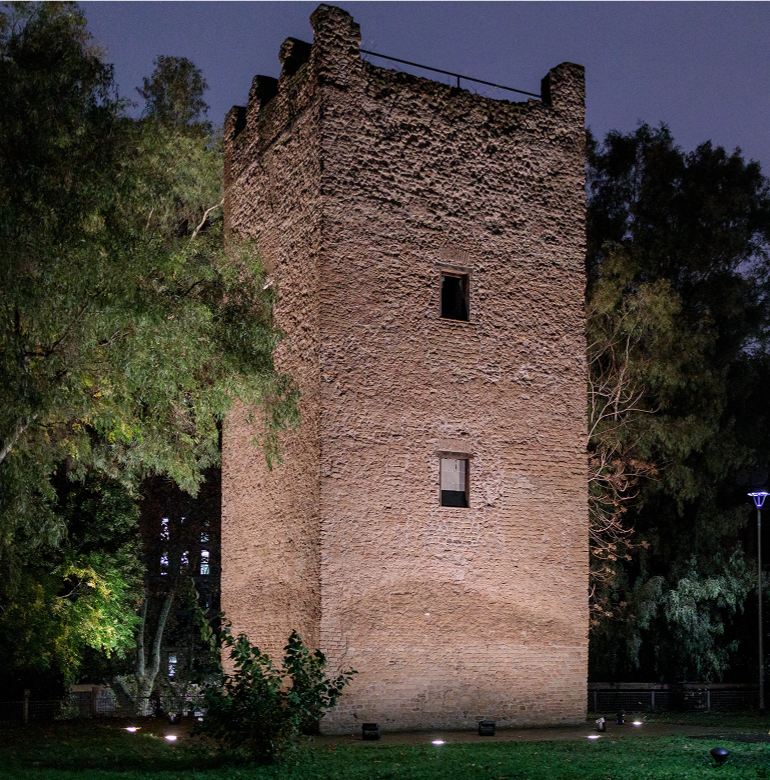
The new lighting of the Torre di San Tommaso ensures warm, natural colour rendering, enhancing the texture of the tower's stone and improving urban safety by making points of interest more visible and evocative.
Parco della Torre di Tor Marancia
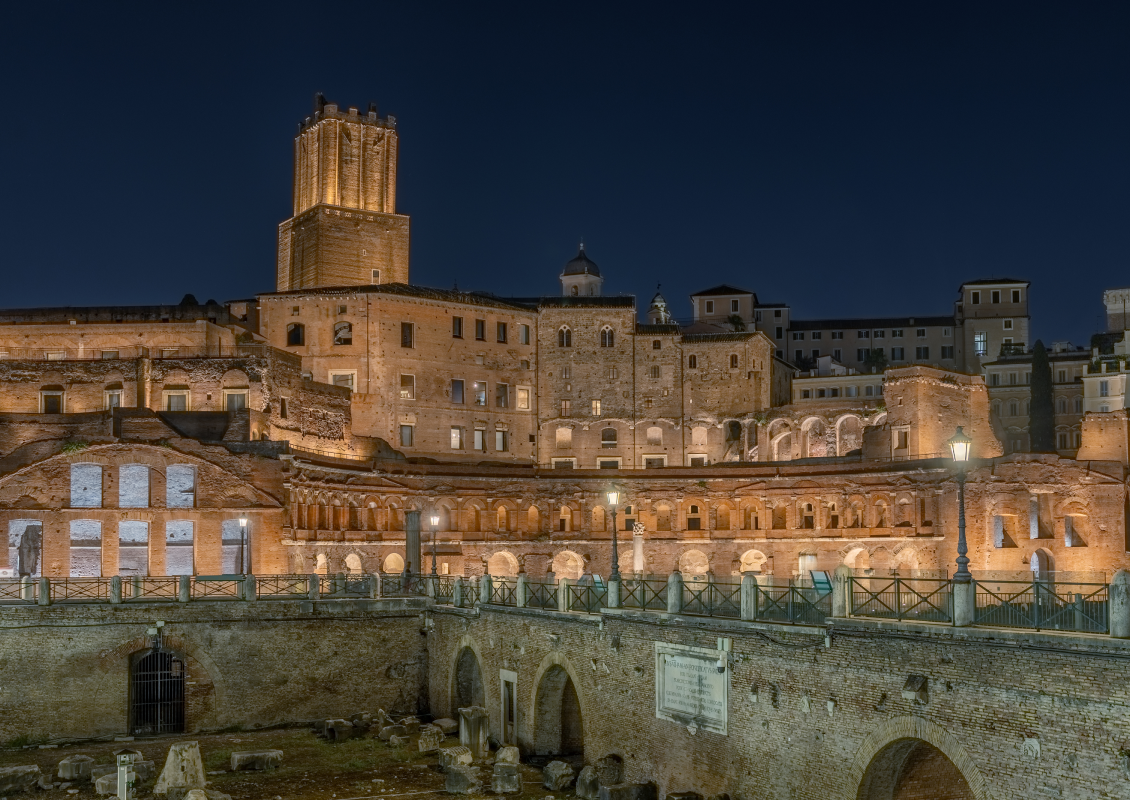
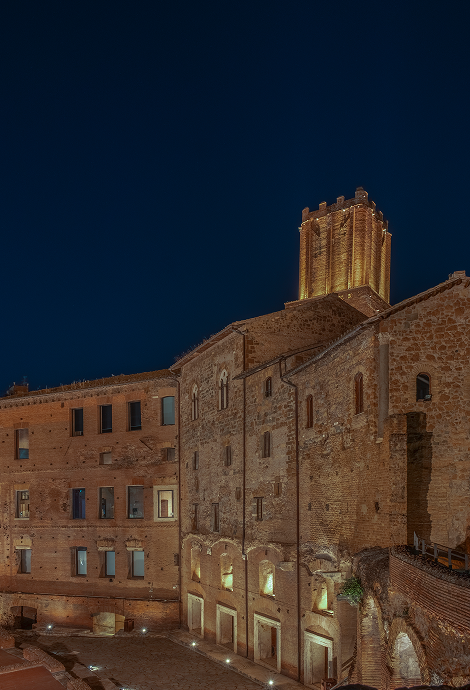
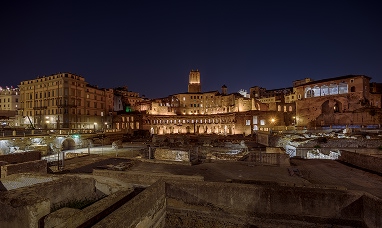
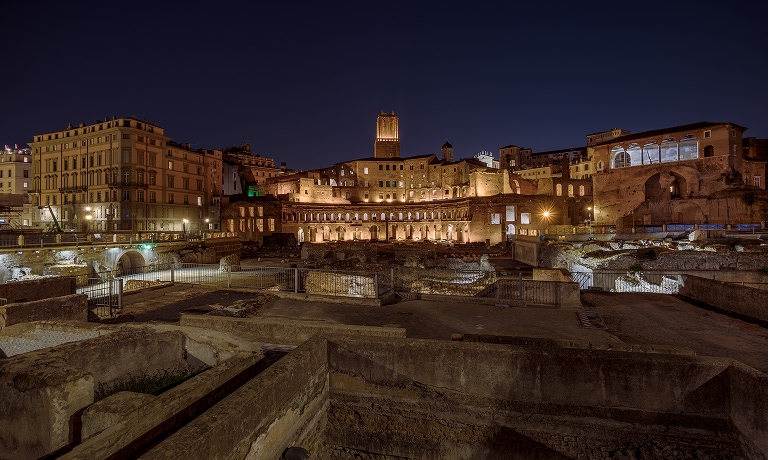
Trajan's Markets
To offer a cohesive view of the monument as an urban backdrop, we illuminated the outer walls with spotlights and highlighted the details with semi-grazing lights.
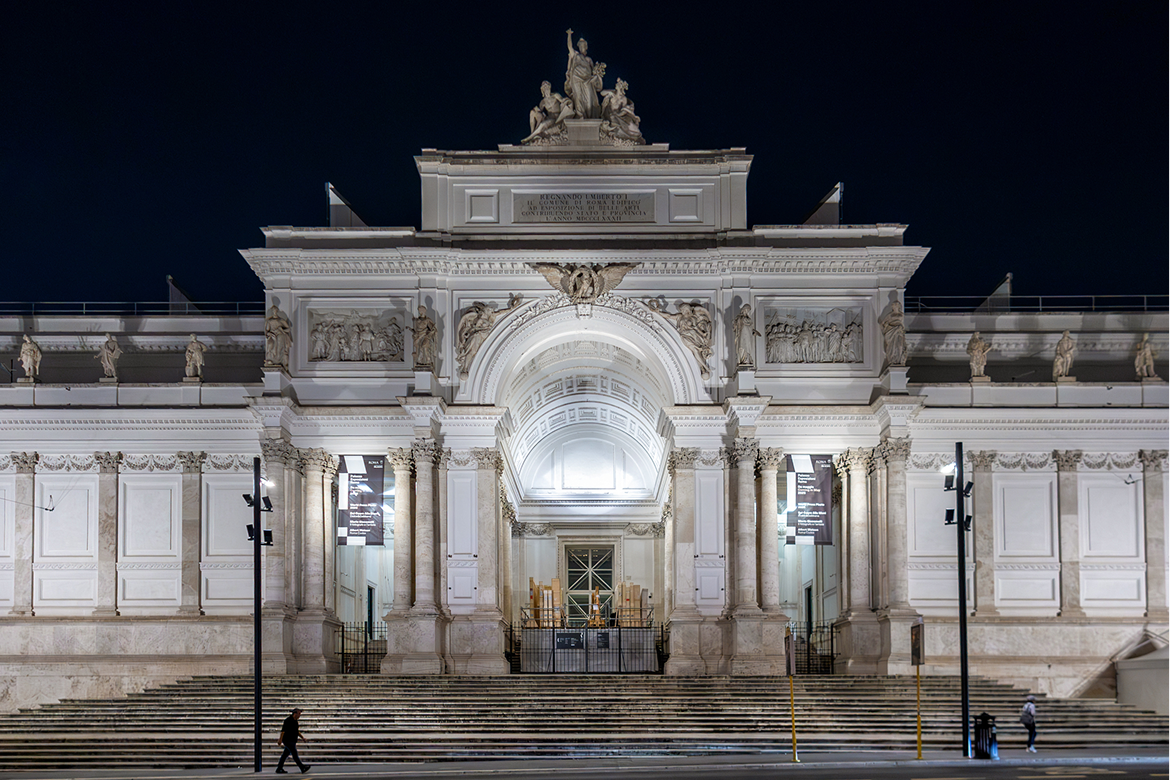
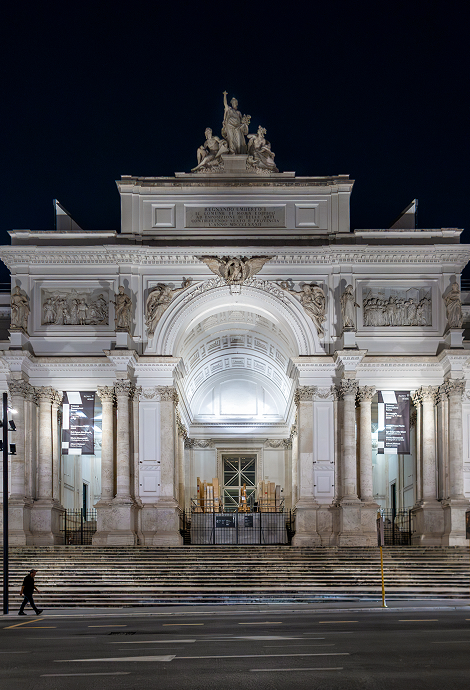
Palazzo Esposizioni
The replacement of the old, obsolete system with a state-of-the-art solution has enabled the permanent illumination of the façade of the Palazzo delle Esposizioni, combining architectural beauty, technological innovation and environmental sustainability.
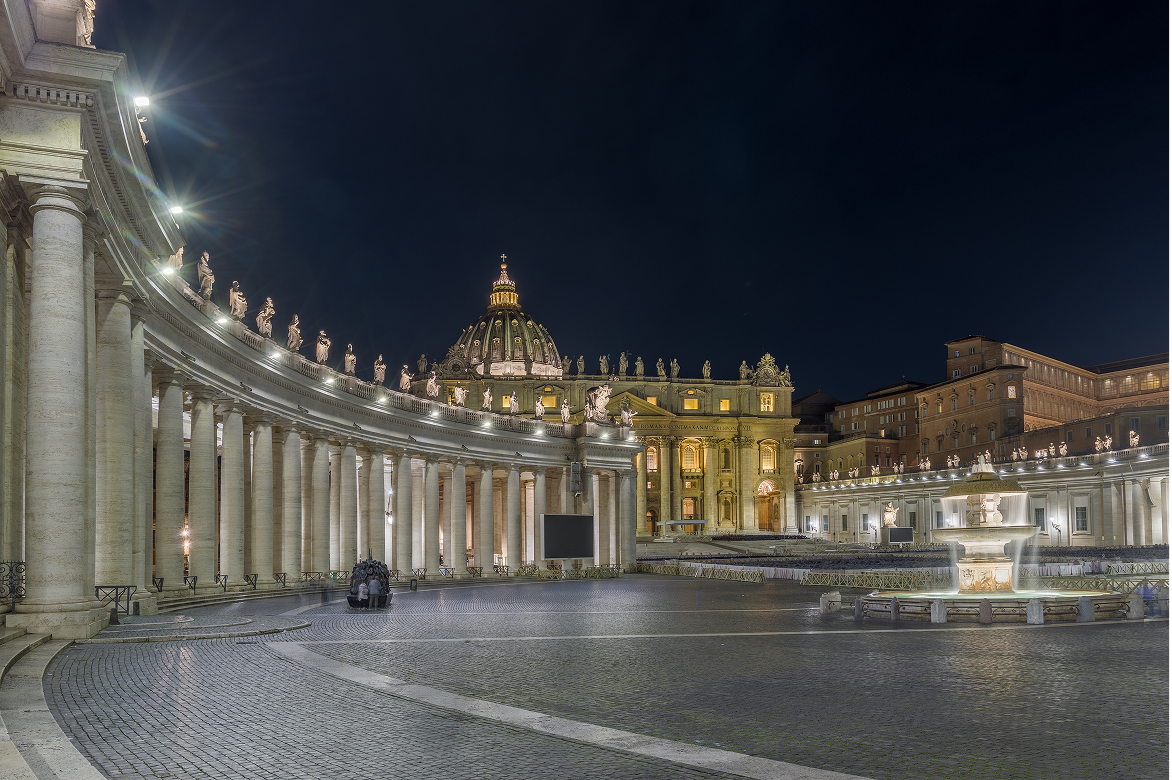
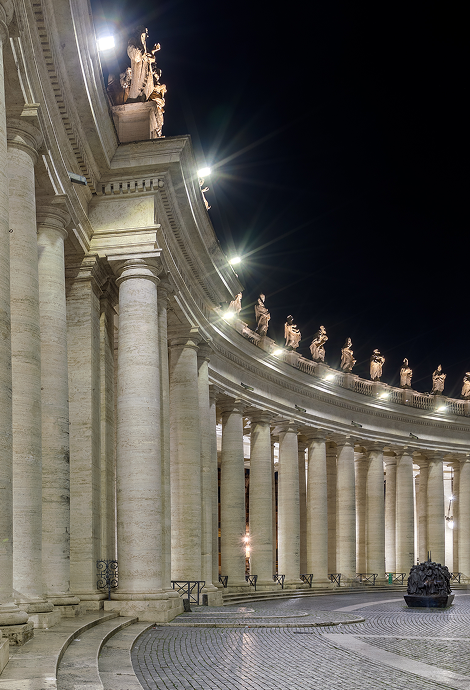
Colonnade of St. Peter's Square
On the occasion of the 2025 Jubilee, we carried out an LED upgrade of the chandeliers, dating back to 1855, in the porticoes of Bernini's Colonnade, as well as the central candelabra and street lamps, extending the lighting modernisation to Largo del Colonnato, Largo degli Alicorni and Via della Conciliazione.
In addition to the ground-level lighting, the chandeliers in the porticos were equipped with dedicated floodlights designed to enhance the vault of the colonnade and create an effect that highlights the Baroque architecture.
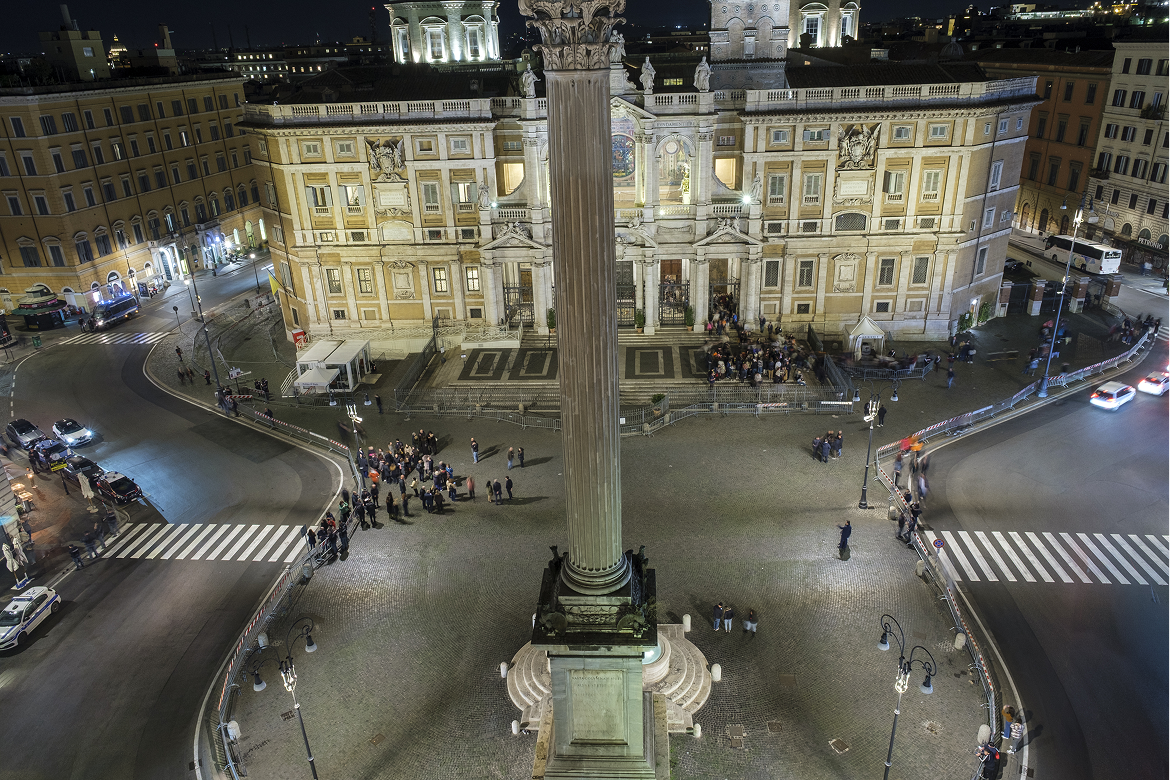
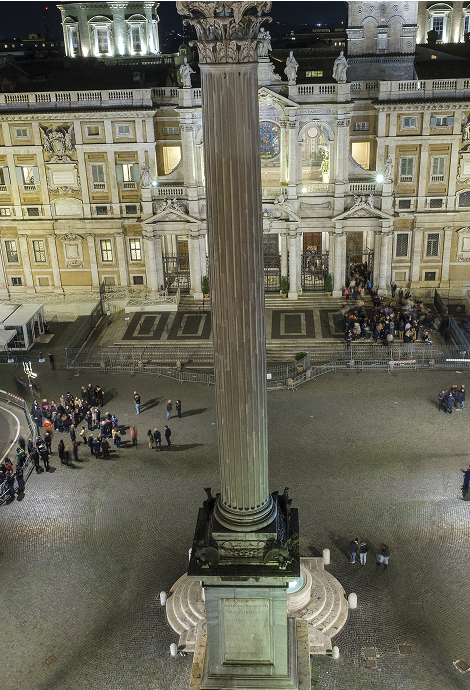
Piazza Santa Maria Maggiore
We completed a lighting upgrade to ensure uniform illumination across the entire square.
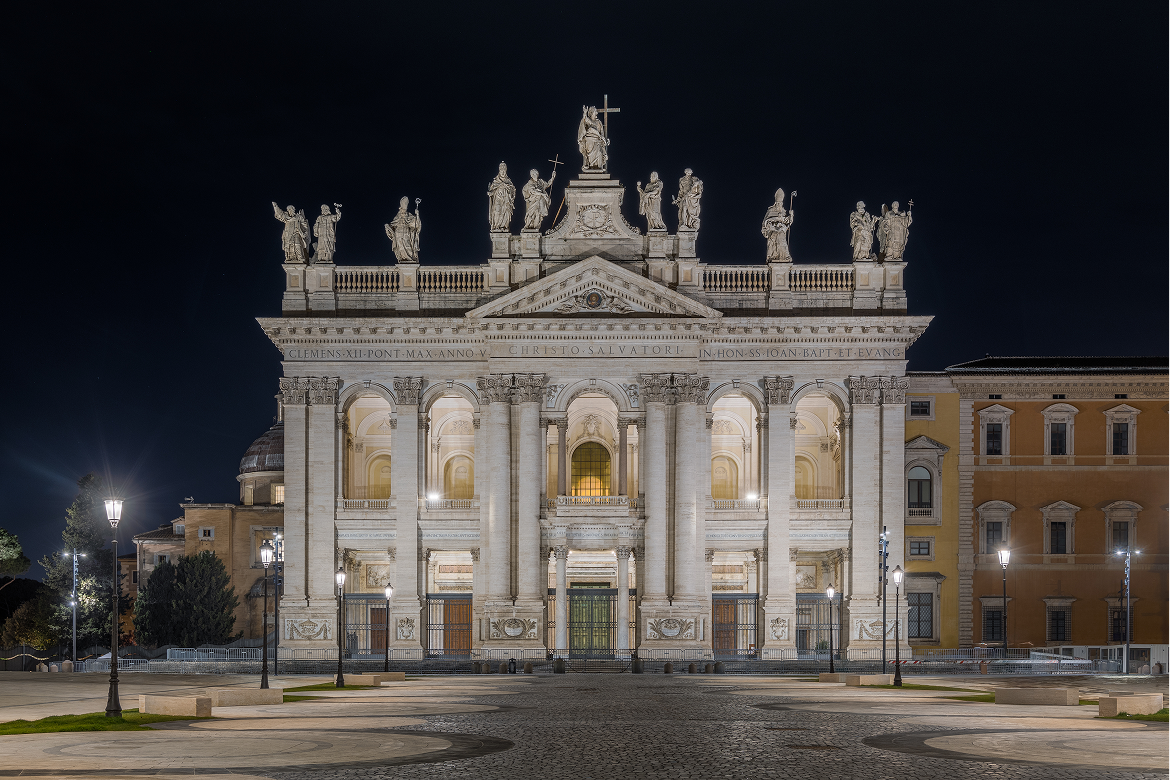
We enhanced the façade, the side elevations, the square, the portico and the loggia of the basilica, minimising the visual impact of the floodlights and significally reducing energy consumption.
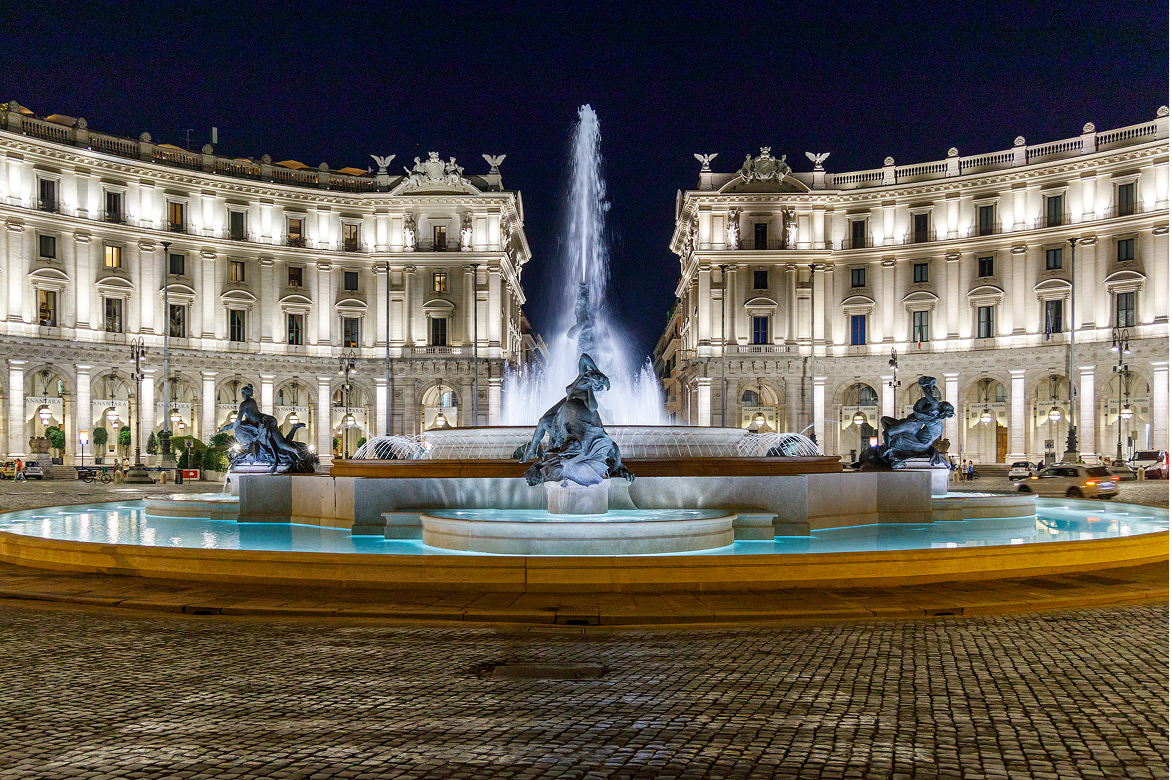
We illuminated the main and side elevations of the two buildings, enhancing the neoclassical façades with LED technology that integrates seamlessly into the surrounding environment.
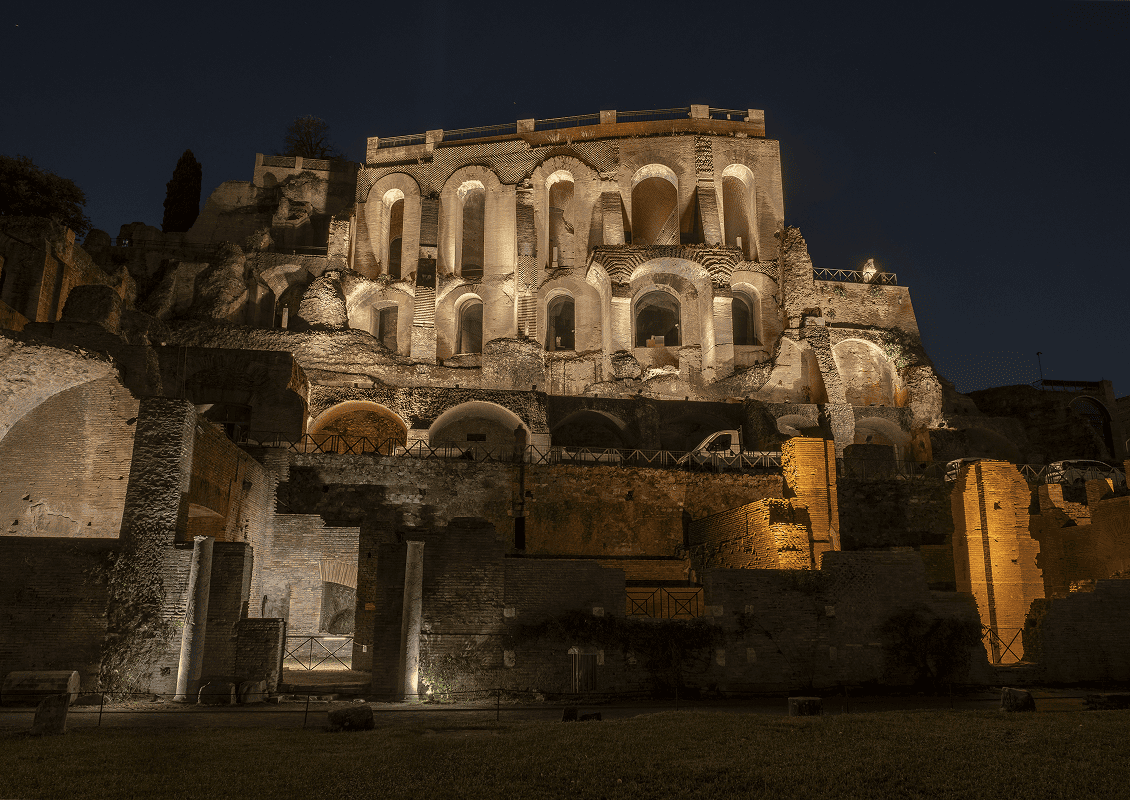
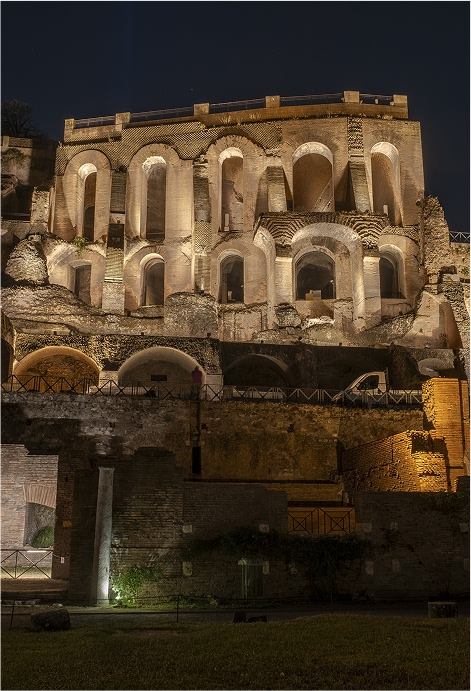
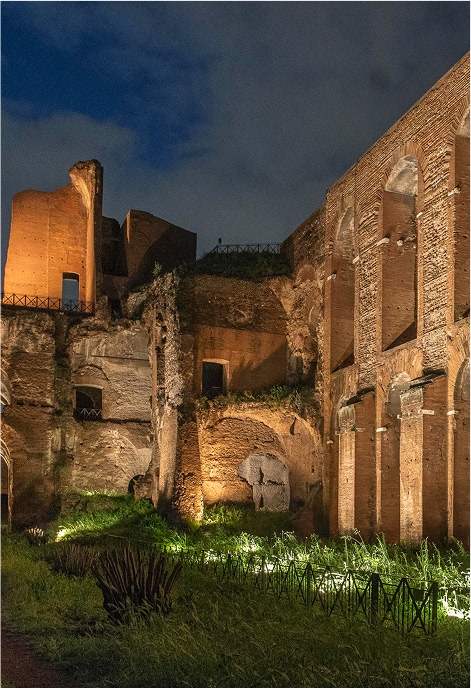
It is in the name of dynamism; we redesigned the lighting of the Domus of Tiberius. Thanks to tunable white technology, the lighting makes every moment of the evening unique, creating unique atmospheres.
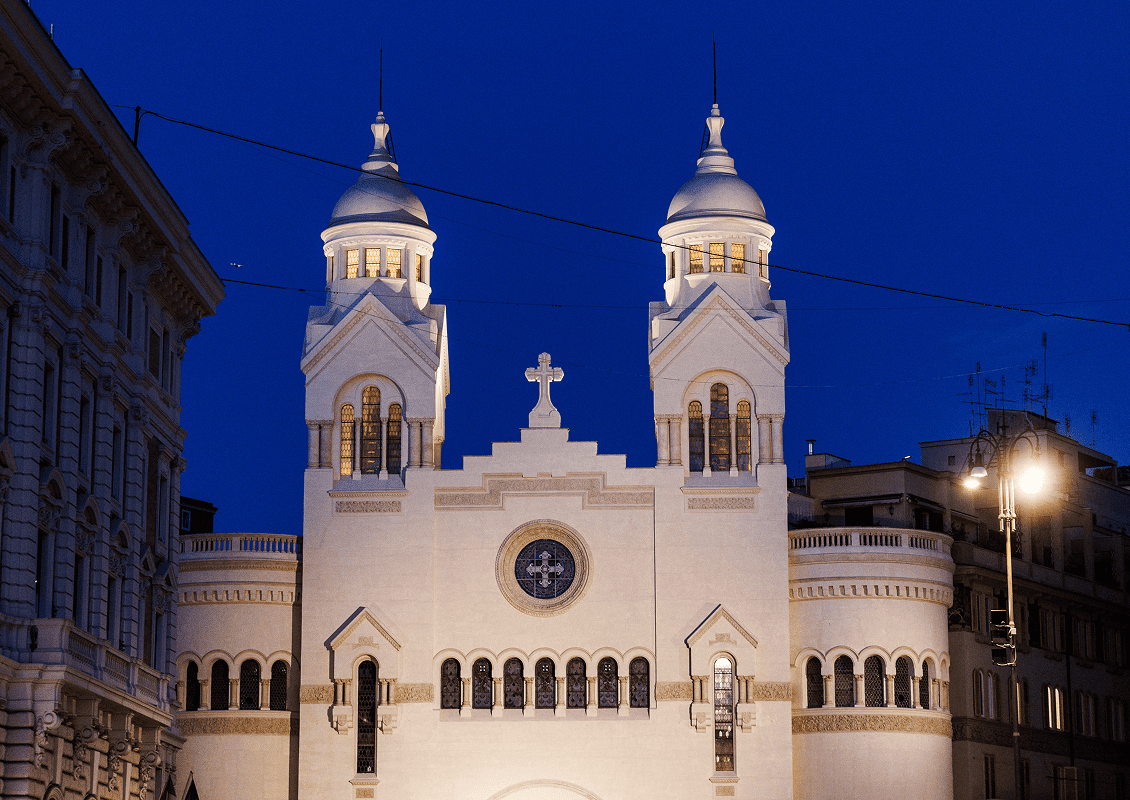
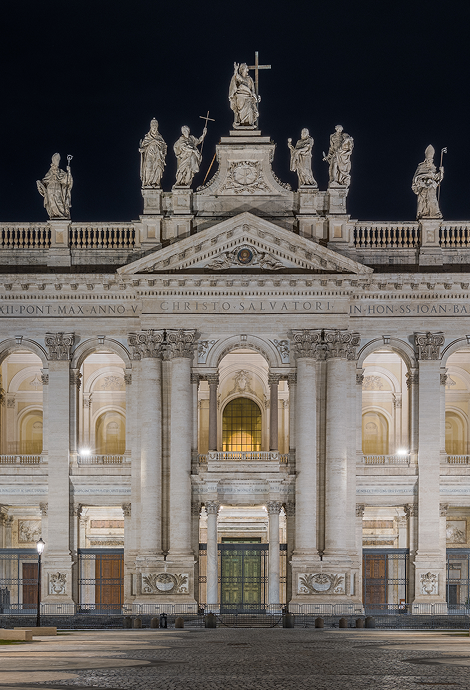
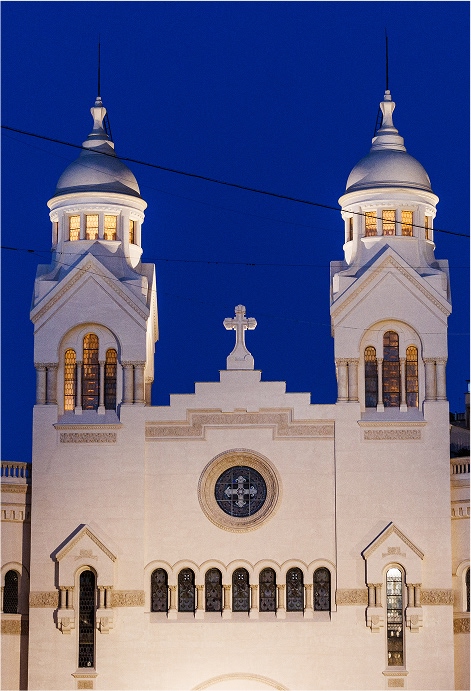
We redesigned the artistic lighting of the church, opting to soften its geometries with elliptical and roto-symmetrical optics.
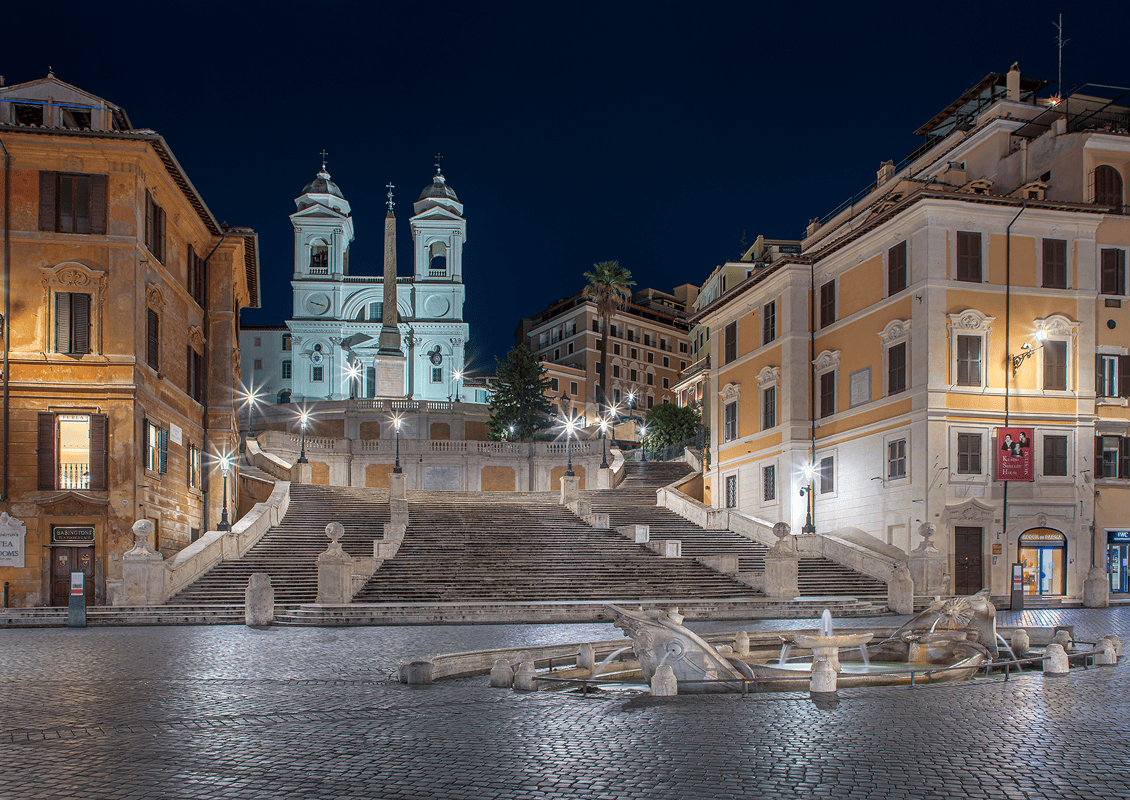
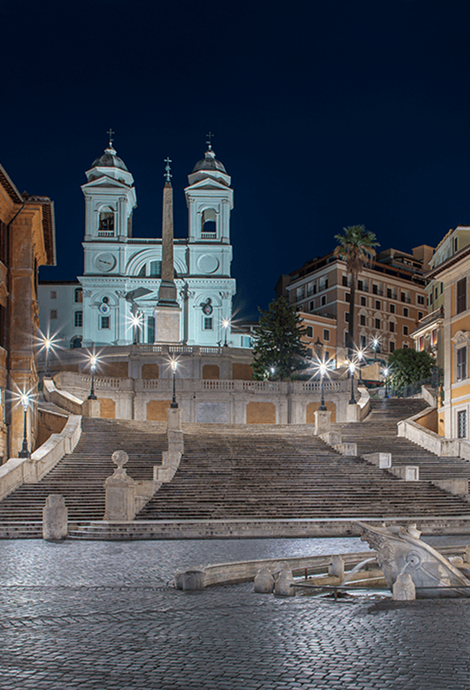
The famous staircase, which has already undergone careful restoration, now shines with new lighting featuring various optical effects: circular light for the outer walls and asymmetrical beams to guide the light.
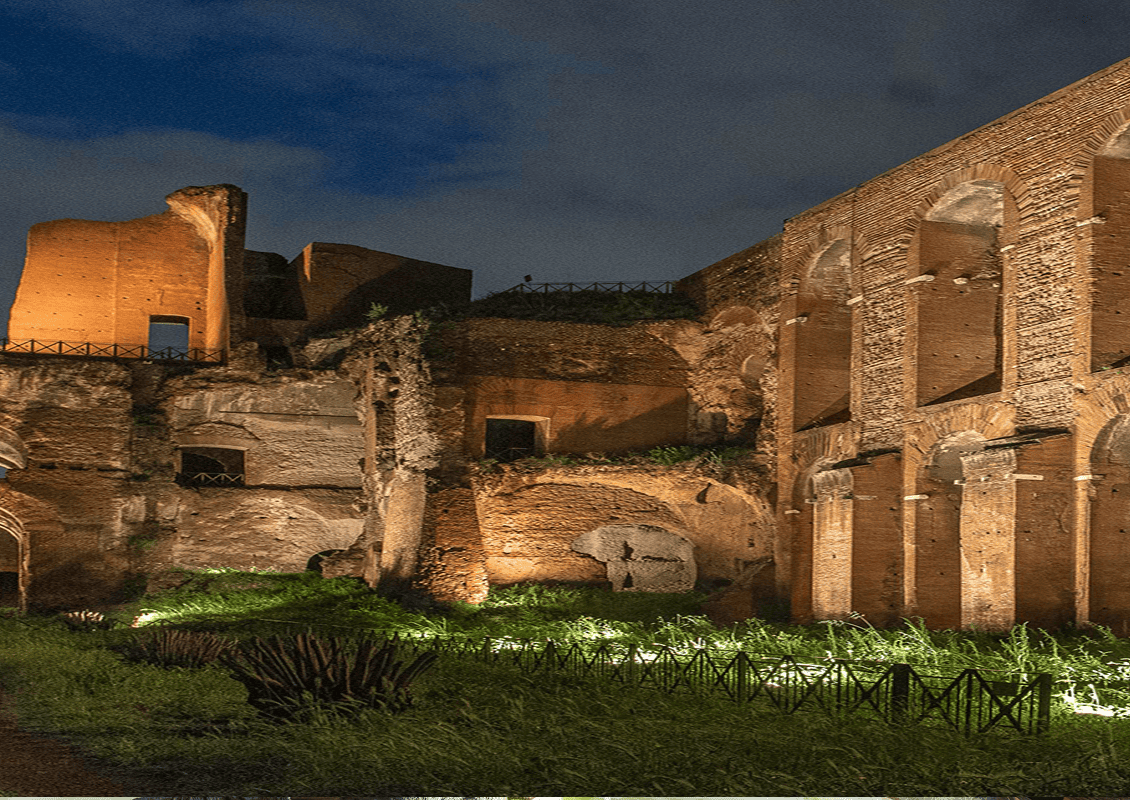
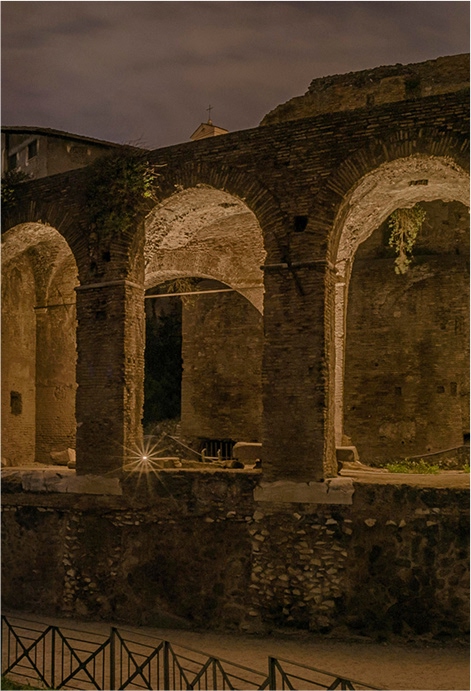
We renewed the lighting of the southern façade of the monumental archaeological area, overlooking the Circus Maximus, as well as the Domus Tiberiana, offering a renewed perspective on the southern slopes of the hill.
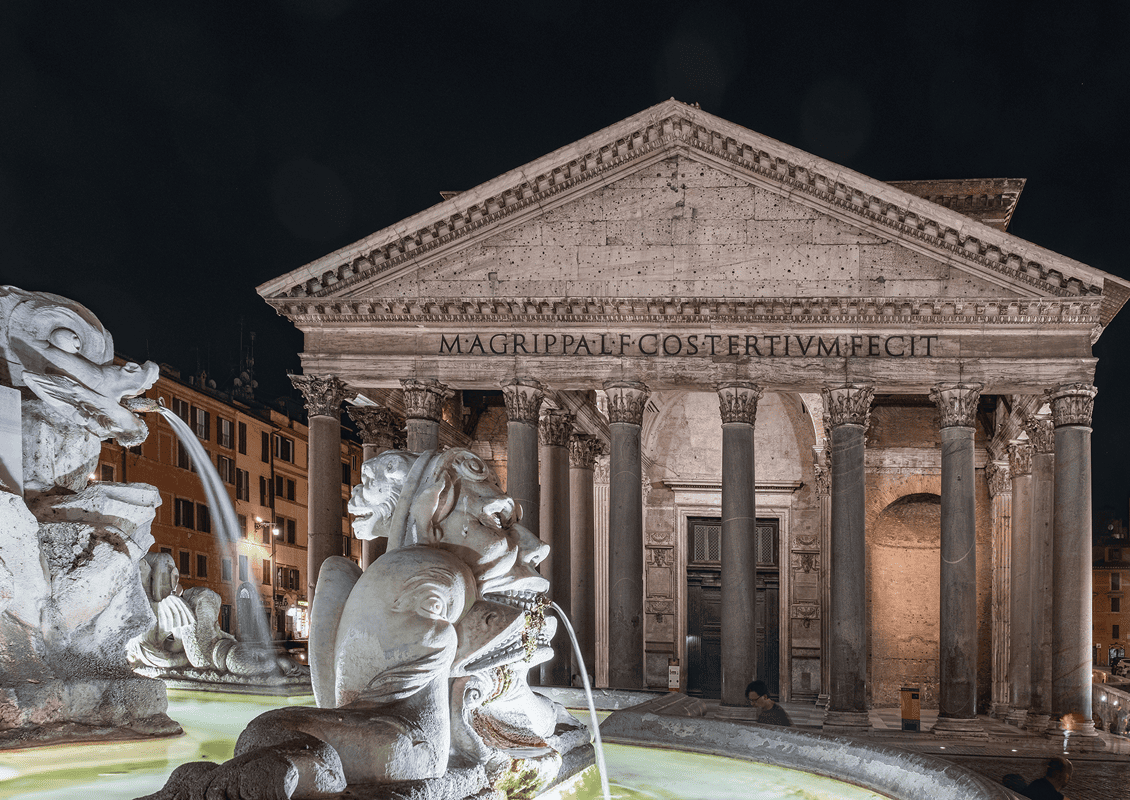
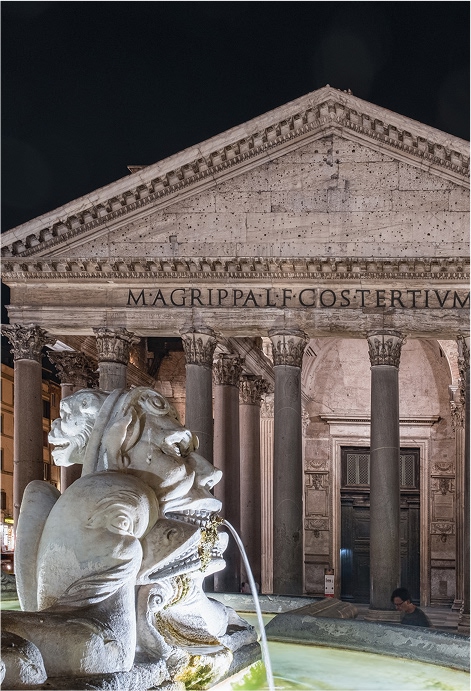
The Pantheon's new lighting enhances its beauty while reducing energy consumption. The system, equipped with Wi-Fi and Bluetooth devices, is perfectly integrated with the structure.
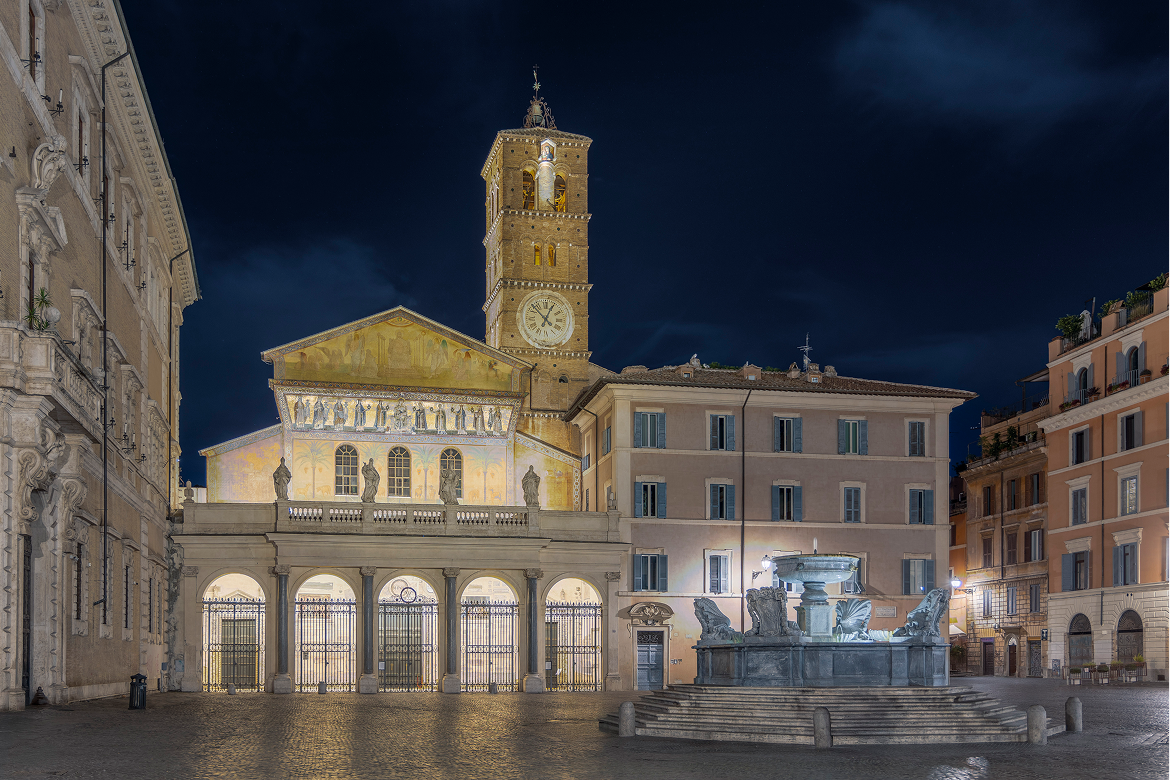
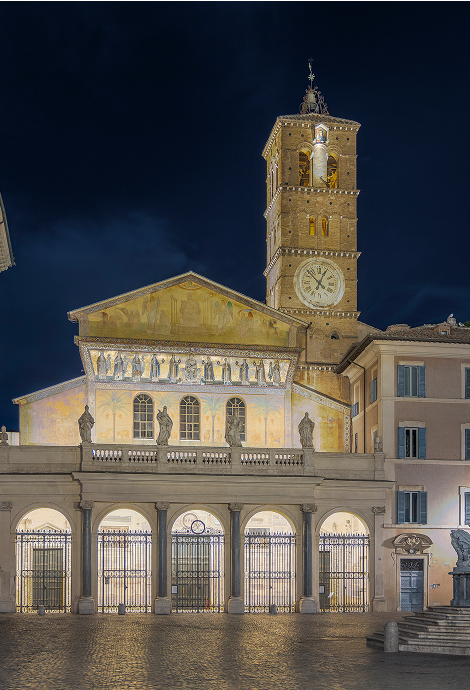
For the lighting system of the Basilica of Santa Maria in Trastevere, we used a digital control system that allows each lighting point to be managed via Wi-Fi and Bluetooth.
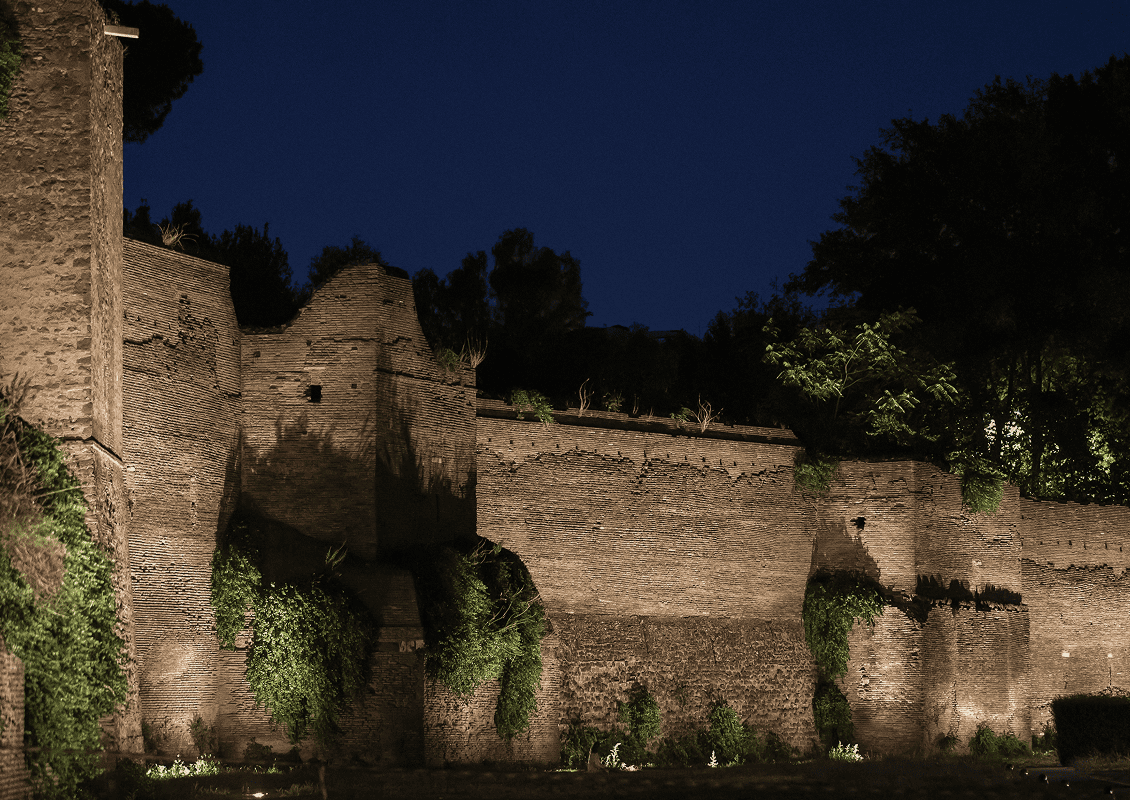
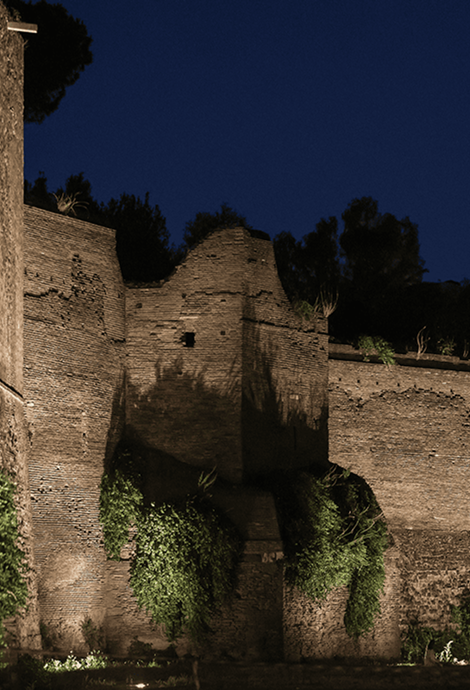
Grazie al nostro intervento, il tratto delle Mura compreso tra via Cristoforo Colombo e via Numidia ha acquisito nuova visibilità. 142 proiettori garantiscono ora un’illuminazione calda e uniforme.
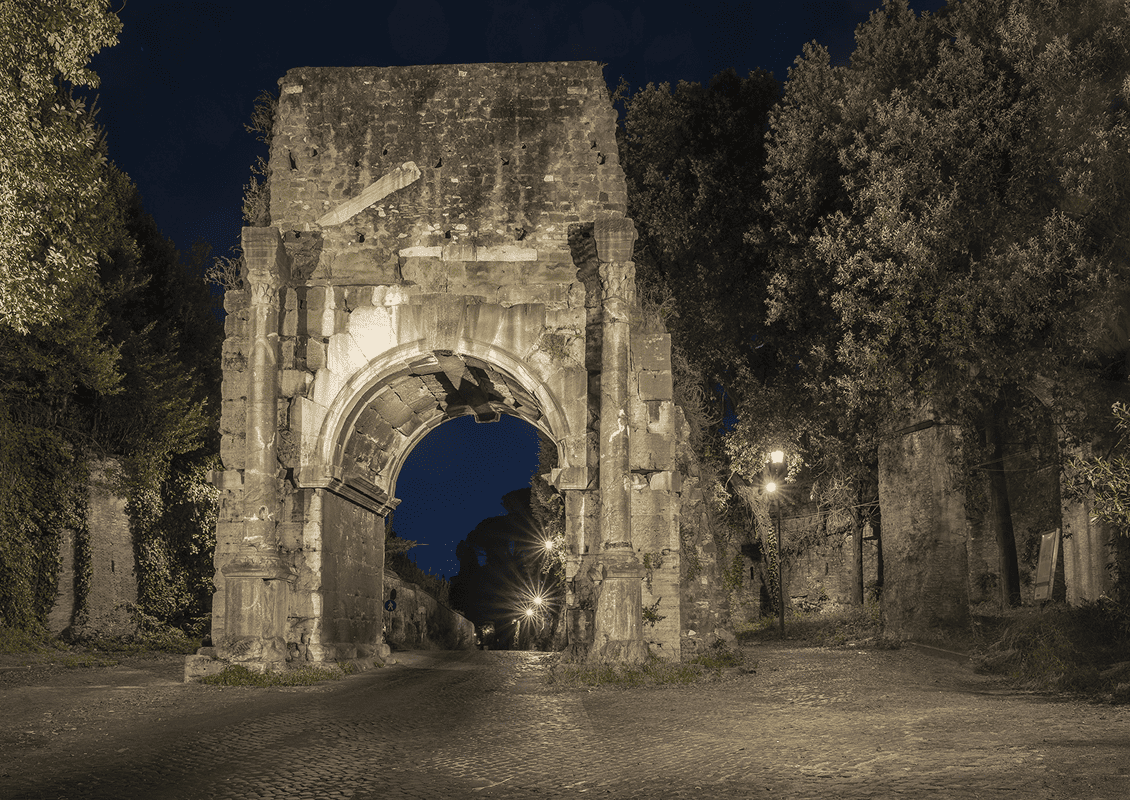
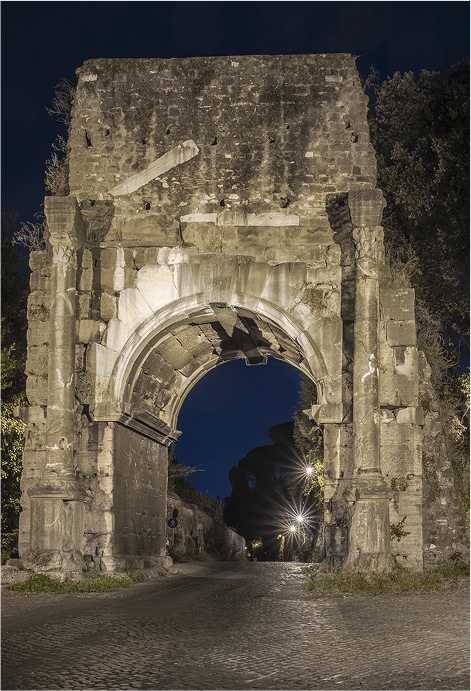
Form and depth: these are the guiding principles behind our intervention on one of Rome's most iconic gates. The new installation enhances the monument while minimizing its visual aesthetic impact.
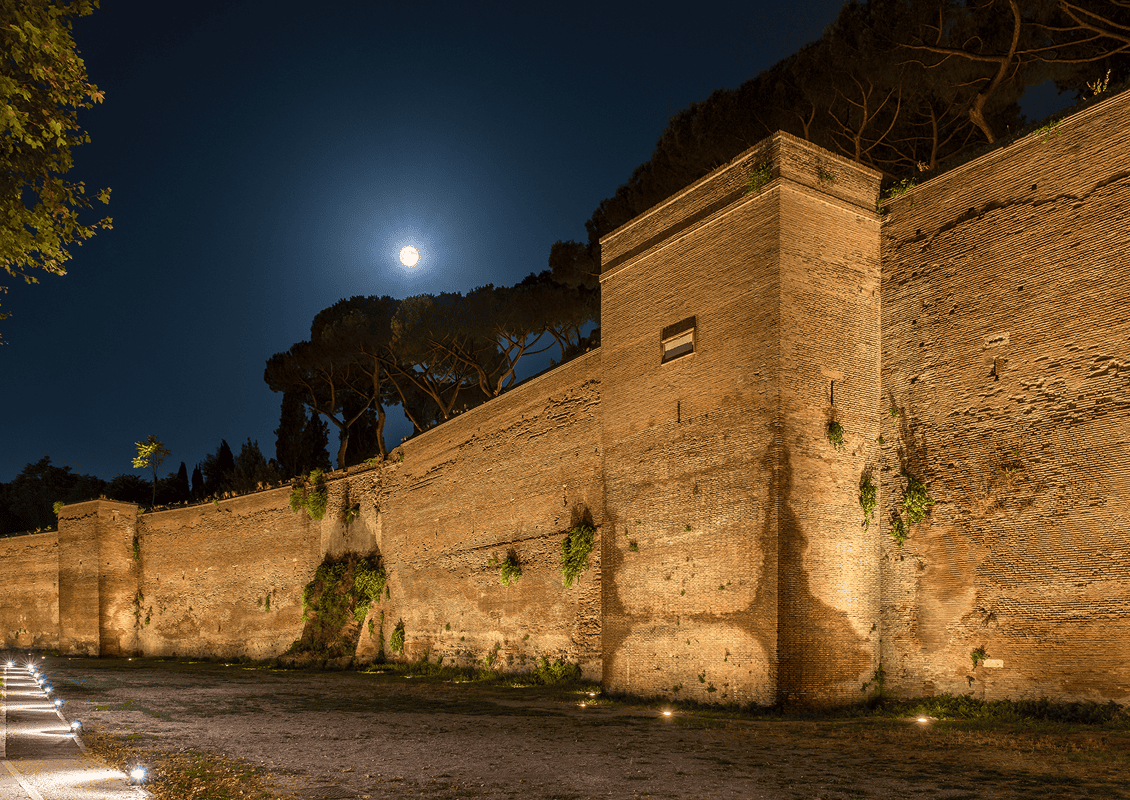
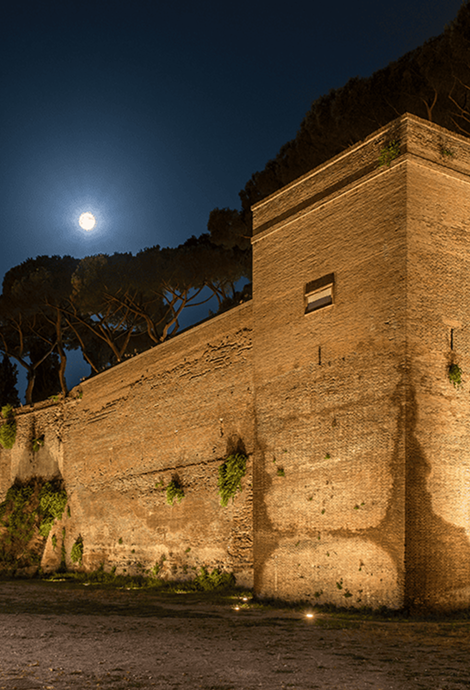
Abbiamo restituito profondità e suggestione alle Mura Aureliane, nel tratto di Viale Metronio. Il monumento è ora perfettamente integrato nel paesaggio urbano, grazie alla luce calda che lo avvolge.
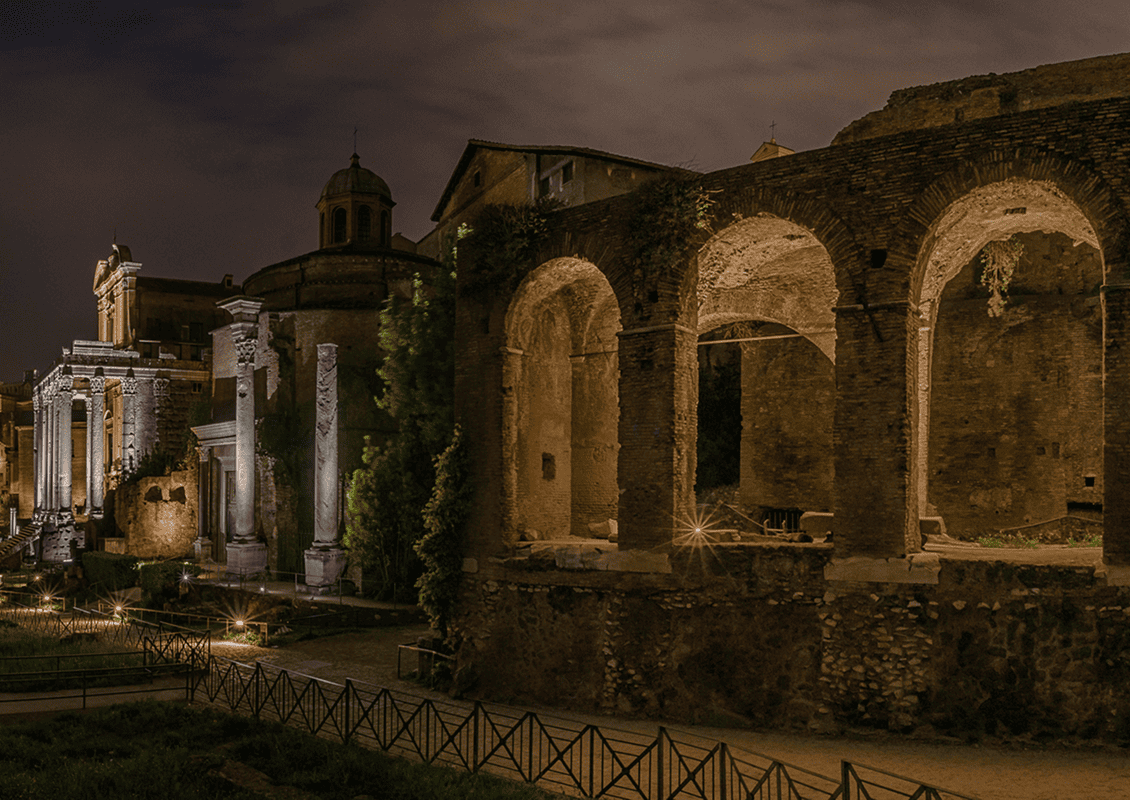
From dusk to dawn, the Roman Forum and Via dei Fori Imperiali are illuminated with a light that shifts in tone from white to gold. Despite using 530 lamps, the system ensures significant energy savings.
Our work on Rome's monumental fountains translates the design method of artistic lighting into concrete, sustainable solutions.
From the Trevi Fountain to the Fountain of the Four Rivers, and through the Fountain of the Naiads and the Fountain of Moses, each project integrates LED technology, system upgrades and the study of architectural surfaces.
Collaboration with designers, technicians and institutions makes it possible to enhance water, marble and the urban scenography through precise interventions that respect the historical context.
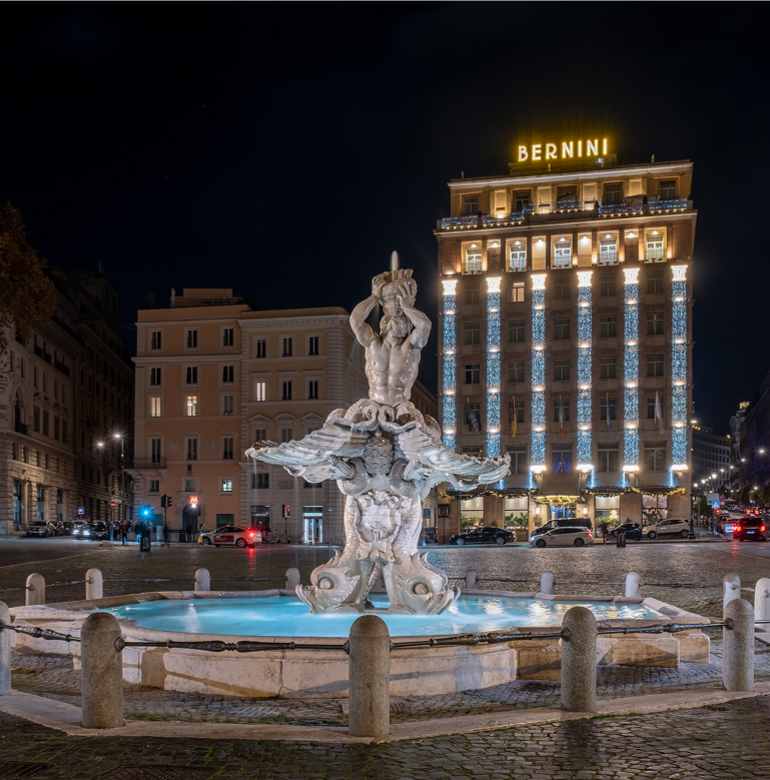
Triton Fountain
The project restored depth to the urban scenography of Piazza Barberini, enhancing one of the symbols of Roman Baroque.
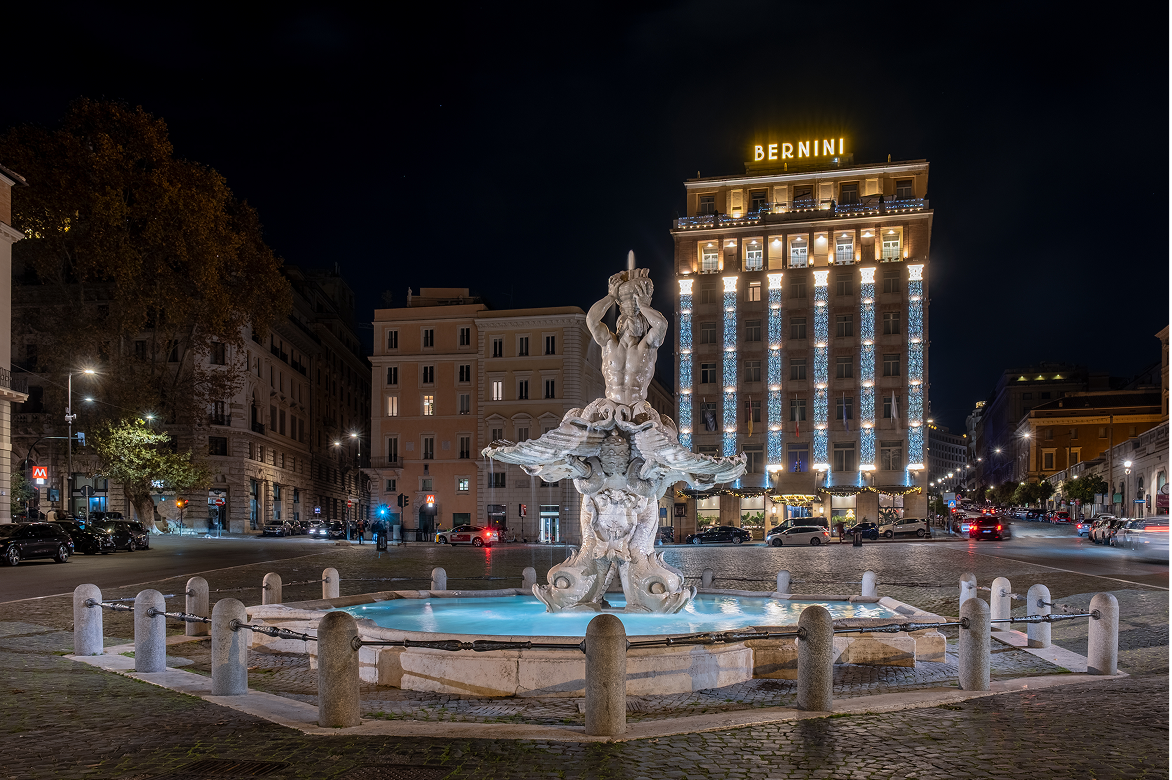
Fontana del Tritone
L’intervento ha consentito di restituire nuova profondità alla scenografia urbana di Piazza Barberini, valorizzando uno dei simboli del barocco romano.
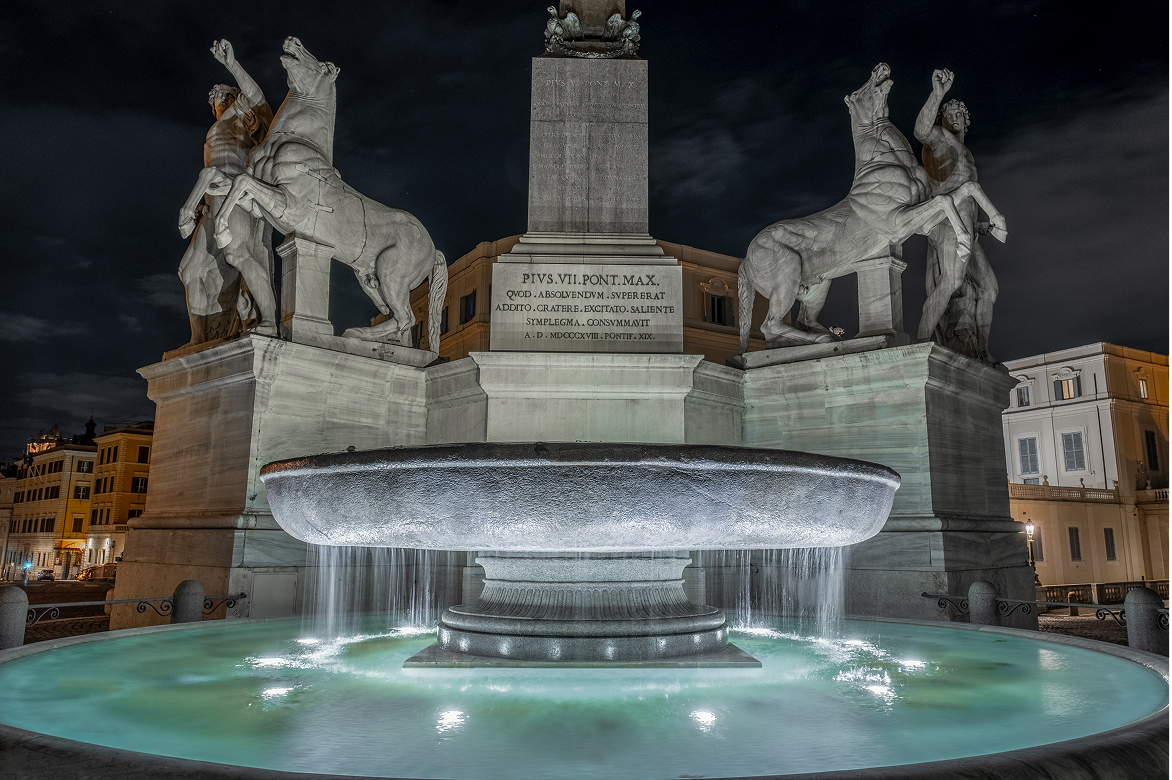
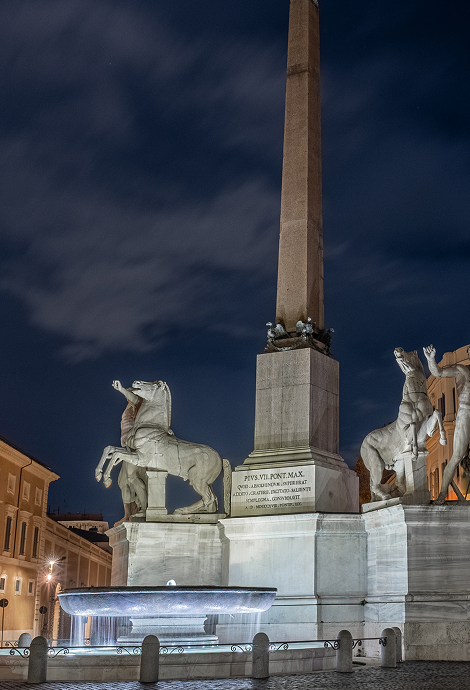
Fountain of the Dioscuri
We upgraded the LED lighting of the historic Fountain of the Dioscuri by Domenico Fontana, enhancing its sculptural strength and the architectural balance of Piazza del Quirinale.
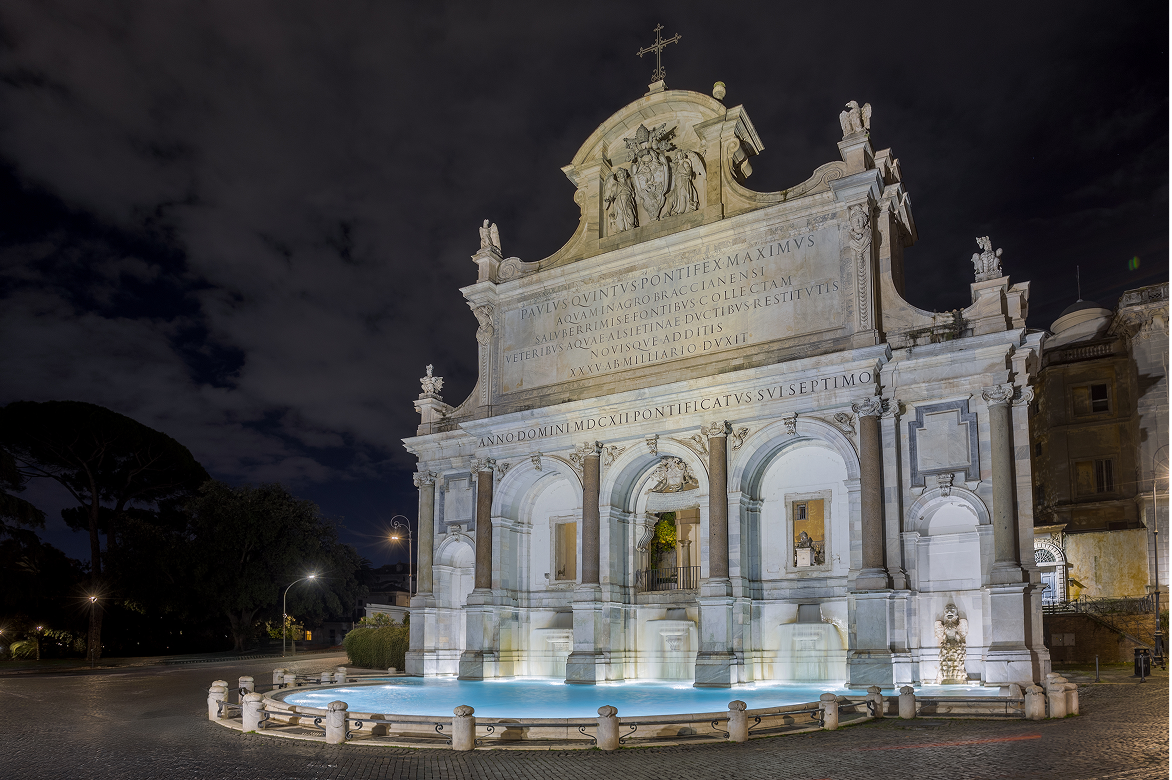
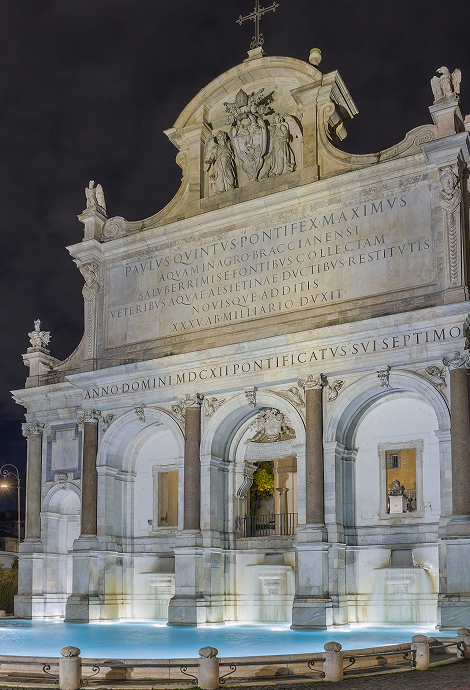
Fontana dell’Acqua Paola
We completed the artistic lighting refurbishment of the "Fontanone" on Janiculum Hill with new LED floodlights that enhance its forms, materials and history.
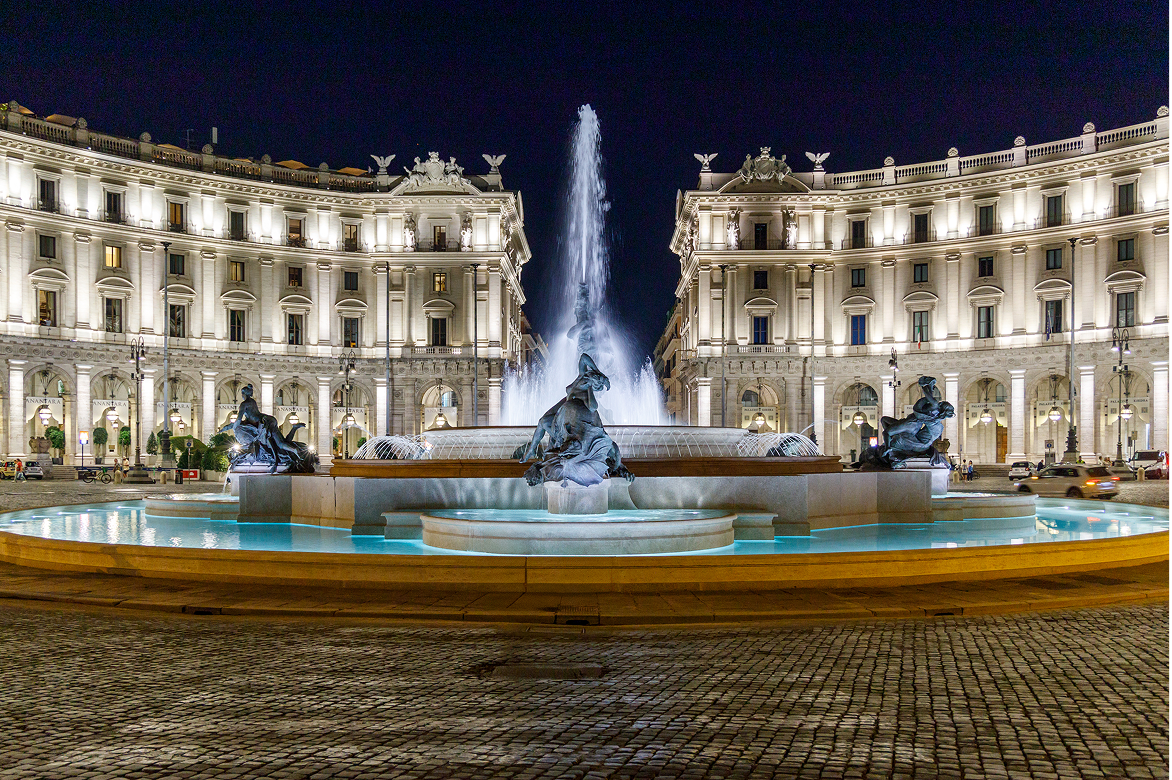
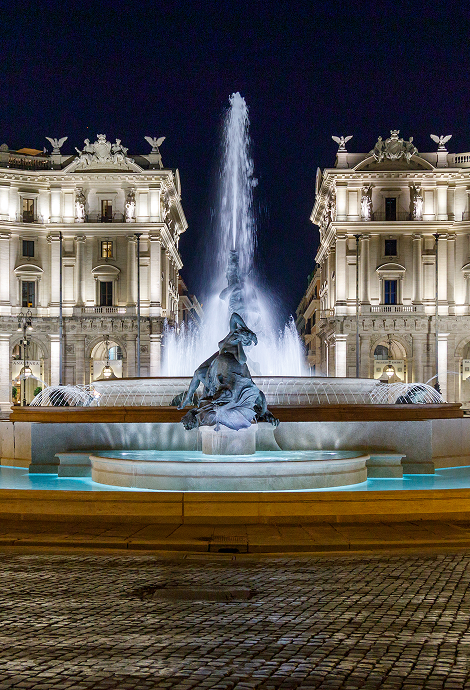
Fountain of the Naiads
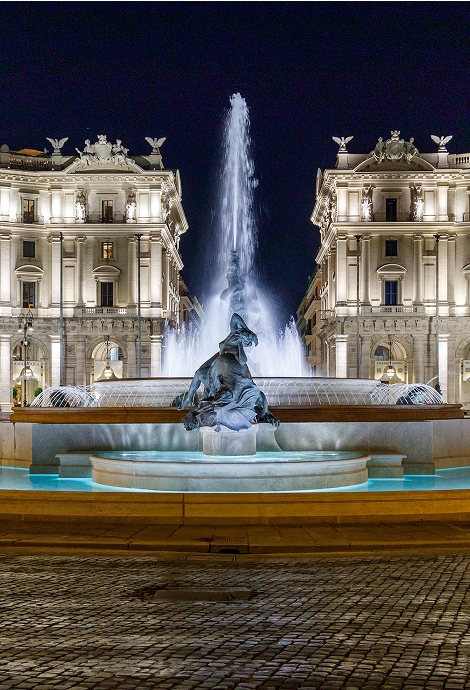
We upgraded the artistic lighting of the Fountain of the Naiads through a complete maintenance overhaul of the system. Precise technical work that restores intensity and enhances every architectural and scenographic detail.
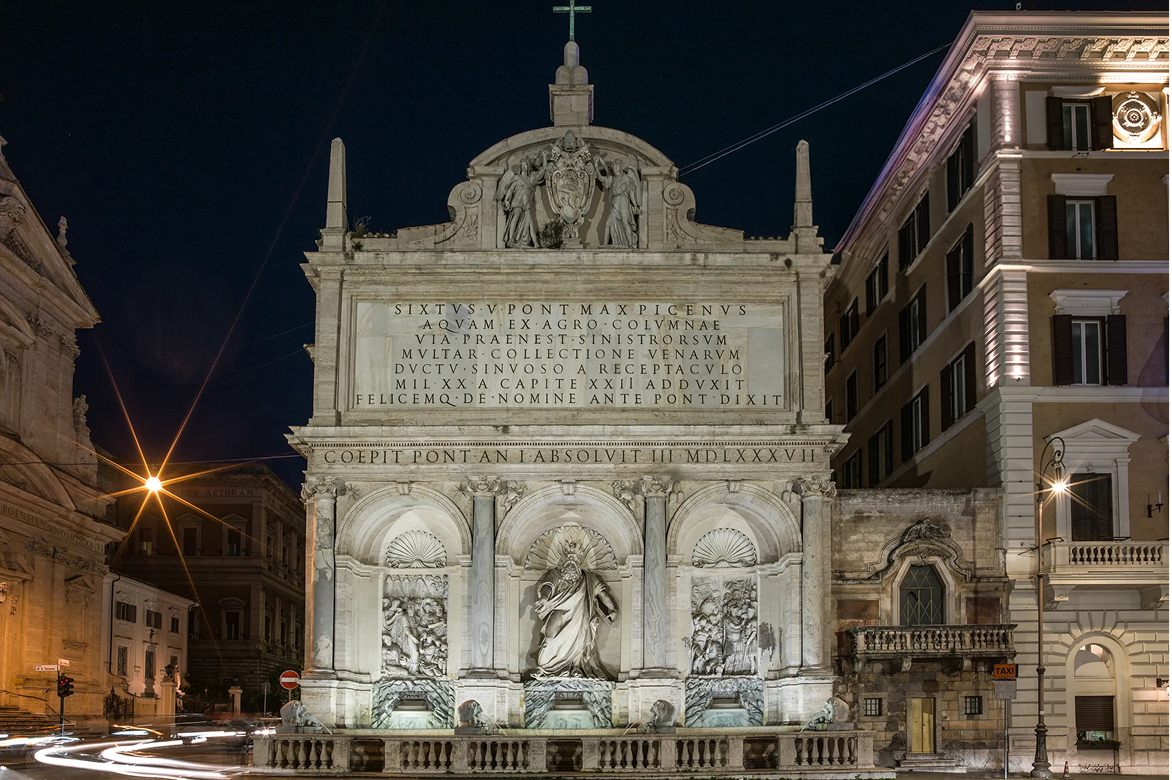
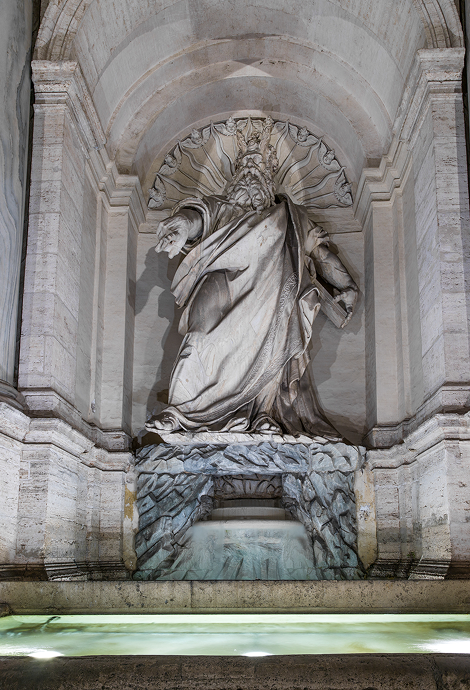
Fountain of Moses
We carried out a project that combines energy efficiency with the enhancement of one of the city's most important symbols.
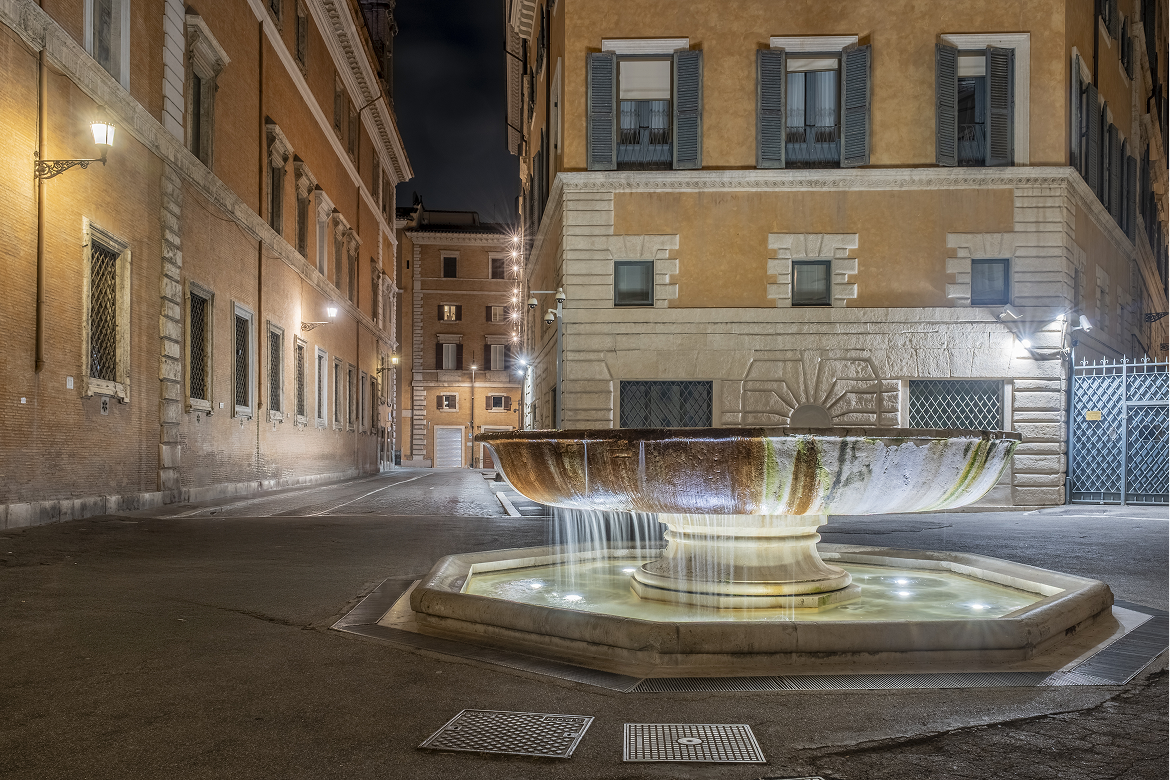
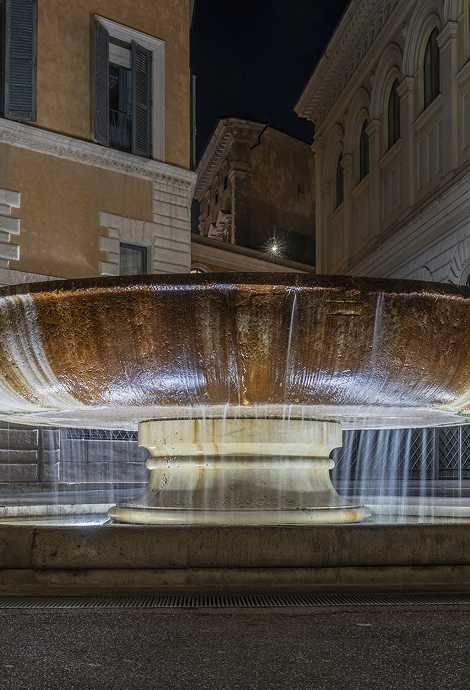
Fountain in via degli Staderari
After a careful maintenance intervention, the fountain shines again thanks to a new lighting system. In addition, the historic basin in Aswan red granite was meticulously cleaned and treated with hydraulic mortar, bringing new life to one of the most evocative spots in the centre of Rome.
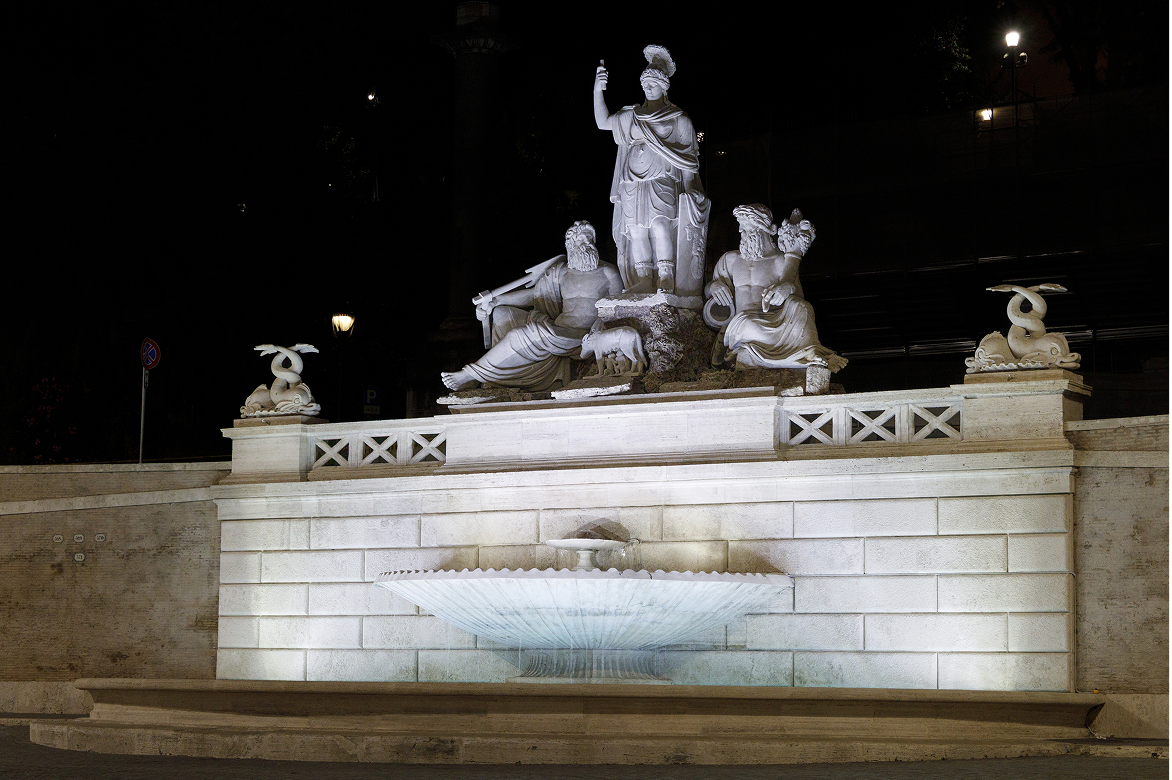
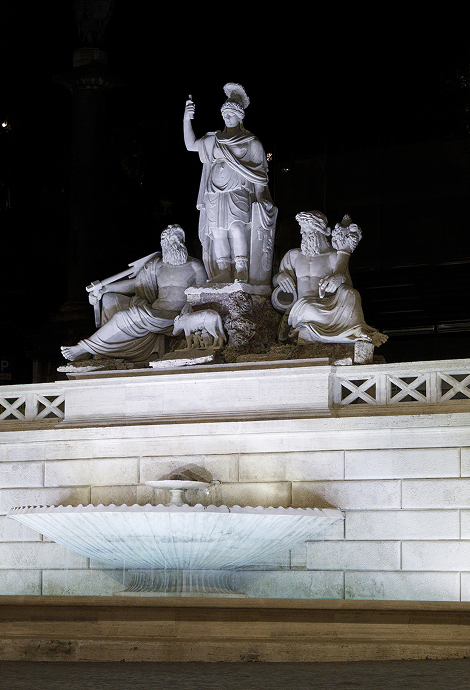
Neptune Fountain and Goddess Roma Fountain, Piazza del Popolo
We completed the maintenance and refurbishment of the artistic lighting of the Neptune Fountain and the Goddess Roma Fountain in Piazza del Popolo. LED lighting ensures efficiency and sustainability, enhancing the monument's architecture and water features.
To ensure safety and reliability even in complex environments such as the basins, new transformers, cables and IP68 steel components were installed.
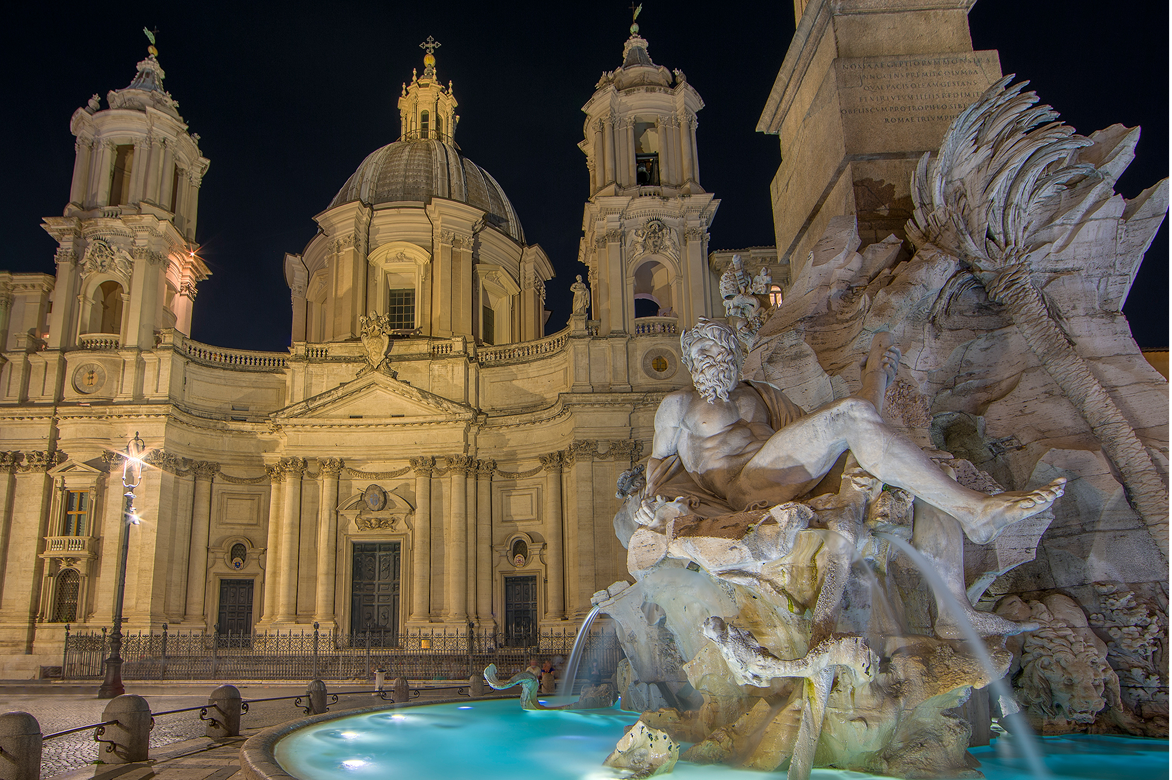
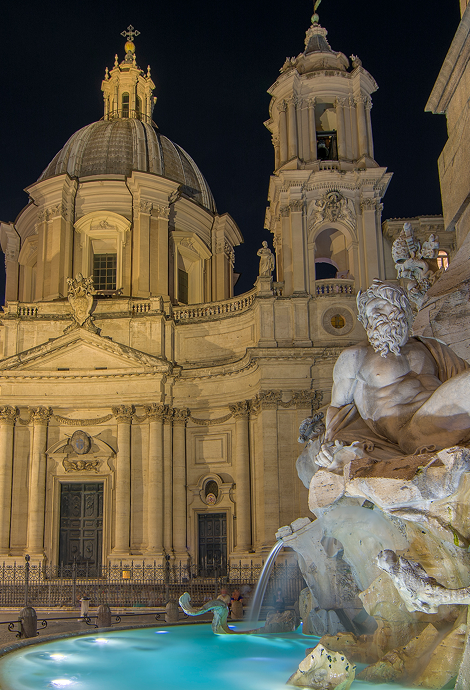
Fountain of the Four Rivers, Piazza Navona
Thanks to the intervention, the Baroque masterpiece sculpted by Gian Lorenzo Bernini has been enhanced by lighting designed to highlight the marble and every detail of its imposing sculptures.
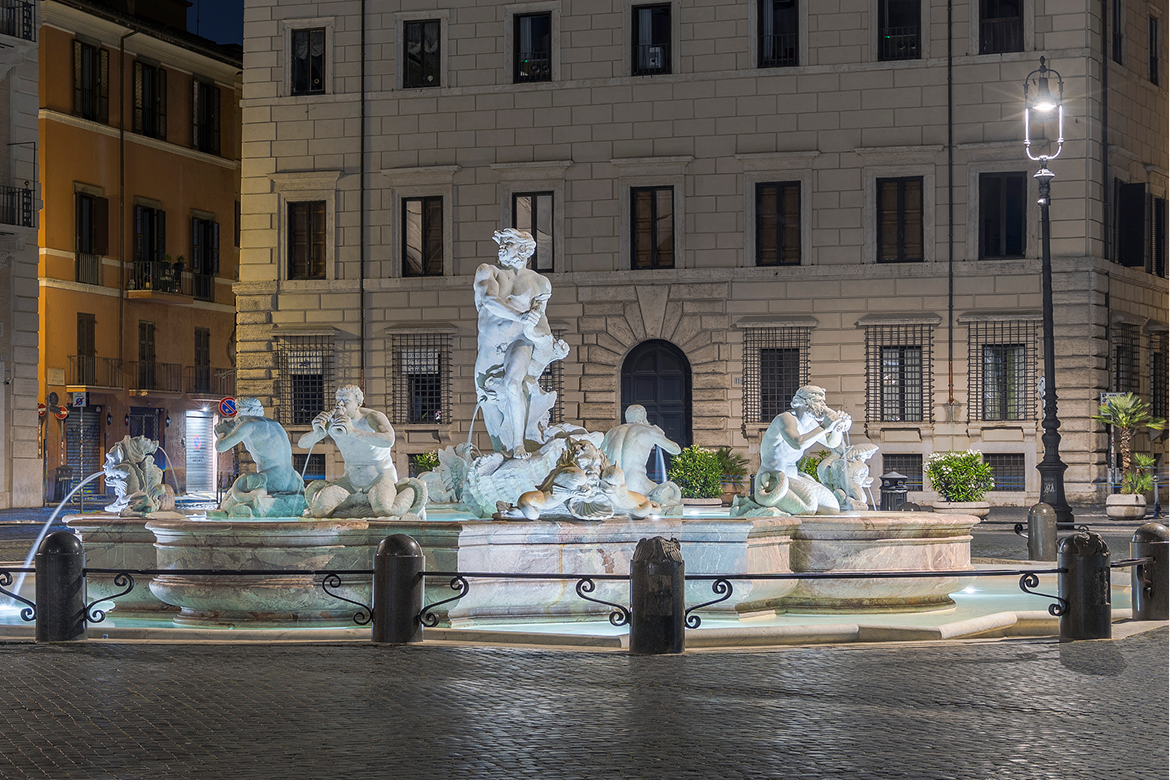
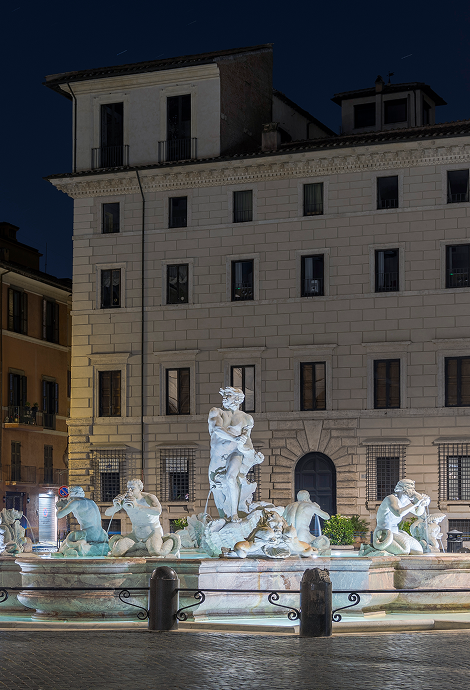
Side fountains of Piazza Navona
We completed the restoration of the artistic lighting of the two side fountains in Piazza Navona: the Moor Fountain and the Neptune Fountain. With this intervention, all the fountains are now fully illuminated with LED technology, ensuring greater energy efficiency, reliability and continuity of the artistic lighting service.
The intervention involved the installation, on each fountain, of 10 LED floodlights (22 watts) with a colour temperature of 4000 Kelvin, ensuring uniform light output that respects the historic and artistic features of the works.
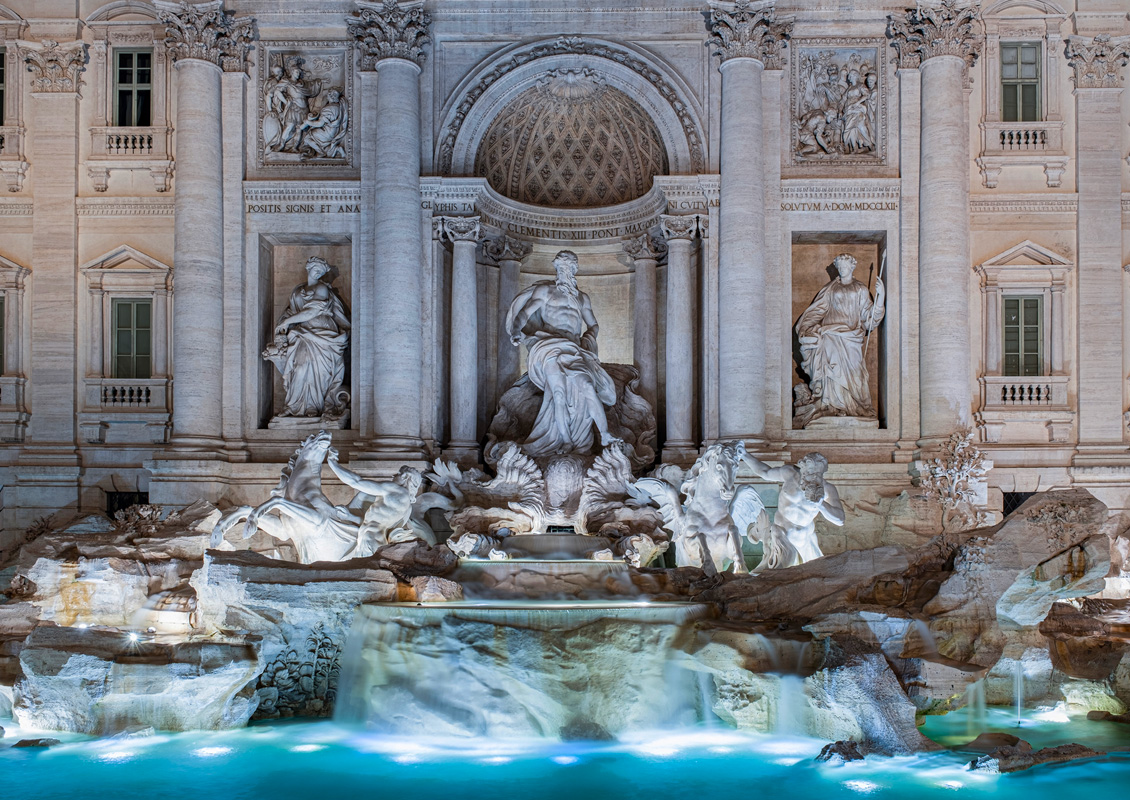
Trevi Fountain
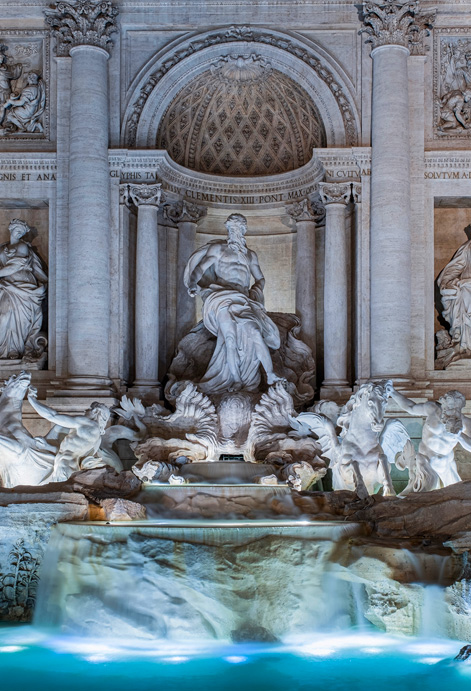
To illuminate this Baroque masterpiece, our technicians renovated the artistic lighting system of the fountain and installed floodlights to highlight its central structure.